The best car scratch removers
Do the fingernail test before you buy anything. It decides which of two completely different product types you need, and whether either can help at all.
By Sawyer V. · Published · How we research
We have not tested any of this. Everything below is compiled from published manufacturer specifications, and the arithmetic is printed so you can check it. This page carries affiliate links: if you buy through one we earn a commission at no extra cost to you, and it does not change the order of the picks. Full disclosure.
The short answer
Run a fingernail across the scratch. If it glides over, the damage is in the clear coat and an abrasive polish will remove it — 3M Scratch Remover or Meguiar's ScratchX. If your nail catches, the scratch is deeper than a polish can safely level and you want a clear-coat filler such as the Turtle Wax kit. If you can see a different color or bare metal in the groove, no product on this page will fix it.
| # | Pick | Install | Score | Price |
|---|---|---|---|---|
| 1 | 3M Scratch Remover Knowing exactly what the product is doing | Drops in | 8.3/10 | Check price on Amazon |
| 2 | Meguiar's ScratchX 2.0 Light scratches you want polished out, not filled | Drops in | 8.3/10 | Check price on Amazon |
| 3 | Turtle Wax Hybrid Solutions Scratch Repair Kit A scratch too deep to polish out | Drops in | 8.3/10 | $23.99 - view on Amazon |
Prices last verified October 26, 2026. They move constantly; the figure on Amazon when you click is the real one.
Two products, two completely different mechanisms
Everything sold as a scratch remover works one of two ways, and the packaging rarely says which.
Abrasives remove material. They contain fine minerals that cut the clear coat down until the surface is level with the bottom of the scratch. 3M states its formula uses fine minerals and contains no wax, so scratches are polished out rather than filled in — which is 3M telling you exactly what is happening. Meguiar's ScratchX uses a micro-abrasive system to the same end.
Fillers add material. The Turtle Wax kit applies a clear-coat resin into the groove and seals it. Nothing is removed. It can therefore address damage deeper than an abrasive could safely level.
What the three publish
| 3M Scratch Remover | Meguiar's ScratchX | Turtle Wax kit | |
|---|---|---|---|
| Mechanism | Abrasive, no wax | Micro-abrasive | Clear-coat resin fill |
| Maximum scratch depth | Not published | Not published | Not published |
| Container | 8 oz | 7 oz | Kit |
| Application | Hand or machine | Hand or DA | Hand |
| Cure time | None | None | 2 h touch, 24 h full |
| Stated limit | Not body shop safe | Light scratches | Clear coat only |
| Warranty | None | None | None |
The blank row is the interesting one. Not one maker in this category publishes a maximum scratch depth, in microns or in any other unit, on a product whose entire job is defined by depth. "Light scratches" is the specification.
3M is the most forthcoming of the three, and what it publishes is a limit rather than a capability: 3M states this is not a body-shop-safe product and should not replace a light rubbing compound in a body shop detailing area. A manufacturer naming the boundary of its own product is rare, and it is why 3M leads this page.
The fingernail test, done properly
- Wash and dry the area first. Half of what looks like a scratch is transferred paint or road film sitting on top of the clear coat, and it wipes off
- Drag a fingernail across the scratch, perpendicular to it, with light pressure
- Nail glides over: clear coat only. An abrasive polish will remove it, often in one session by hand
- Nail catches: the scratch is through enough clear coat that leveling it would take more than you want to remove. Fill it
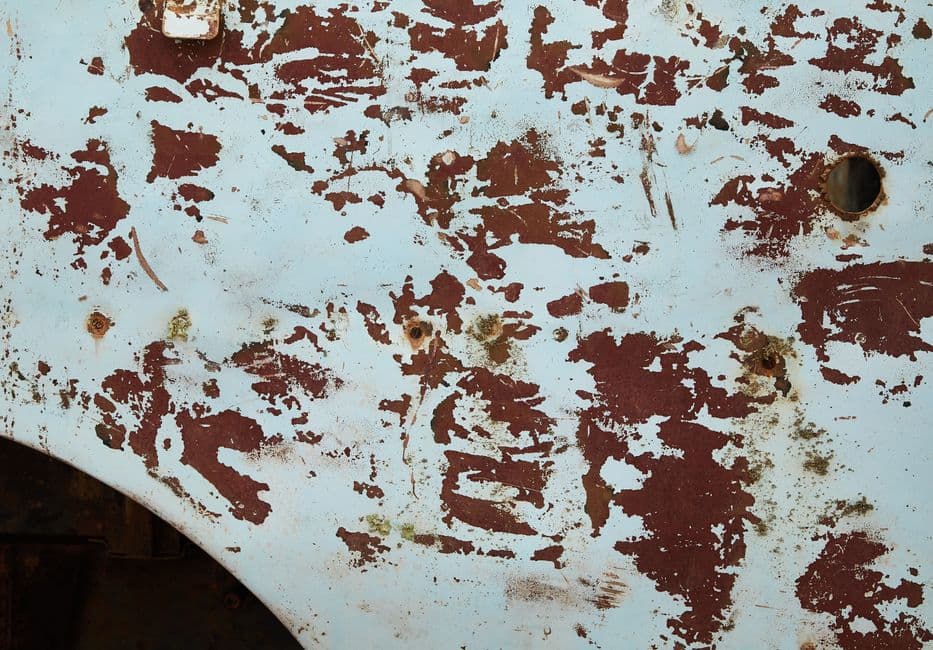
- You can see a different color, primer or metal: the damage is through the paint. This is touch-up paint and a body shop conversation, not a polish
Do this in daylight, on a clean panel, before buying anything. It is the whole decision.
How to not make it worse
The failure mode with abrasives is always the same: too much pressure in one spot for too long, in an attempt to get a stubborn scratch out.
- Work small. A section the size of a hand, not a whole door
- Moderate pressure, many passes rather than heavy pressure and few. The abrasive does the work; you are just moving it
- Check progress often. Wipe the residue off and look. Abrasive residue hides the result while you are working
- Stop when it stops improving. A scratch that has not moved after three passes is not going to move on the fourth; it is deeper than the product reaches
- Never work in direct sun on a hot panel. The product dries before it has finished cutting and you end up scrubbing dried abrasive across paint
And use a clean towel. Working an abrasive with a towel that has grit in it is how a repair becomes a larger repair — best microfiber towels for cars.
Finish the job, or it comes back
An abrasive removes the scratch and the wax at the same time. You have just stripped protection off a patch of paint and left it bare.
Wax or seal the area afterwards. It takes two minutes and the alternative is a patch of unprotected clear coat that weathers faster than the panel around it — best car waxes and paint sealants.
The Turtle Wax kit handles this itself: its clear coat is the sealing step and it publishes the schedule — dry to touch in 2 hours, 24 hours before polishing or touching the area. That cure time is the real cost of the filler route, and it is why it is not the default choice for light damage.
What none of these can do
Being plain about the limits, because this category oversells harder than any other in car care. The cheaper move on a door edge is to stop the chip happening at all, which is what door edge guards are for. And bonded contamination that looks like scratching is often just bug and tar residue.
- Anything through the color coat. If you see primer or metal, the fix is touch-up paint or a body shop
- Deep key scratches. These usually go through clear and color both
- Dents with paint damage. Two separate problems, and the panel work comes first
- Cracked or failing clear coat. Once clear coat is delaminating, abrading it accelerates the failure. That panel needs respraying
For the surrounding job — washing without adding new scratches, and keeping the paint protected so the next mark is easier to remove — the wider kit is in best car detailing kits.
Every pick, with the working
Each entry lists the specifications the maker publishes, the axis scores those specifications produce, and what you give up. Rows that read “Not published” are not omissions on our side: they are things the maker will not commit to in writing, and they cost the product points on the transparency axis. Specifications compiled September 4, 2026.
Our pickKnowing exactly what the product is doing
3M Scratch Remover
3M states two things its competitors do not: that the formula contains no wax, so scratches are polished out rather than filled in, and that this is not a body-shop-safe product. Both are the manufacturer telling you the limits of its own product, which is rare enough to be the reason it is here.
- Mechanism
- Fine minerals, no wax — polishes out rather than fills
- Maximum scratch depth
- Not published
- Container
- 8 oz
- Application
- Hand or machine
- Stated limit
- Not a body shop safe product
- Warranty
- Not published
- List price
- Not published
What it gets right
- States plainly that it contains NO WAX — scratches are polished out, not filled in and hidden until the filler washes off
- 3M states it is not body shop safe and should not replace a light rubbing compound, which is a manufacturer naming its own limits
- Uses fine minerals to cut and then bring back polish in the same step
- Hand or machine application, 8 oz bottle
Flaws
- No published scratch depth limit, same gap as the rest of the category
- Abrades clear coat — the same caution as every other true scratch remover applies
- Application instruction is to work until the product is dry, which is more effort than a wipe-on filler
- No warranty published
The working behind the 8.3
- Heat headroom: not scored (weight 22%)
- The maker publishes no operating-temperature ceiling, so this axis is dropped and the other weights are re-normalized.
- Install effort: 10.0 (weight 24%)
- Drops in and sits there. No fixing of any kind, and it comes out again when you sell the car.
- Price against the ceiling: not scored (weight 24%)
- No published list price we could cite on the compile date, so this axis is dropped and the other weights are re-normalized.
- Written commitment: not scored (weight 15%)
- No warranty term published, so this axis is dropped and the other weights are re-normalized.
- Spec transparency: 5.7 (weight 15%)
- 4 of the 7 specifications we went looking for are published by the maker (57%). A blank row is never a guess here: it prints “Not published” and it costs the product points, because a figure nobody will commit to in writing is a figure you cannot check.
Axes with no published input are dropped and the remaining weights re-normalized, so a product is not punished for a category where an axis does not apply. Specifications compiled September 4, 2026 from 3M Scratch Remover 39044 published product data sheet.
2Light scratches you want polished out, not filled
Meguiar's ScratchX 2.0
A micro-abrasive polish that removes a little clear coat to level the surface around a scratch. That is the honest description of what every product in this category does when it works, and Meguiar's is at least clear that it is abrading rather than filling.
- Mechanism
- Micro-abrasive, removes material
- Maximum scratch depth
- Not published
- Container
- 7 oz
- Application
- Hand or dual-action polisher
- Clear coat safe
- Stated safe on all glossy paints and clear coats
- Warranty
- Not published
- List price
- Not published
What it gets right
- Micro-abrasive system removes the defect rather than hiding it under filler
- Works by hand or dual-action polisher, so no machine required to start
- Stated safe on all glossy paints and clear coats
- Small 7 oz bottle, which is the right size for a product you use on one panel at a time
Flaws
- No published limit on scratch depth — 'light scratches' is as specific as it gets
- Abrasive products remove clear coat, and clear coat does not grow back; repeated use on one spot is how people go through it
- Hand application on a deep scratch is slow enough that most people give up before it works
- No warranty and no coverage figure published
The working behind the 8.3
- Heat headroom: not scored (weight 22%)
- The maker publishes no operating-temperature ceiling, so this axis is dropped and the other weights are re-normalized.
- Install effort: 10.0 (weight 24%)
- Drops in and sits there. No fixing of any kind, and it comes out again when you sell the car.
- Price against the ceiling: not scored (weight 24%)
- No published list price we could cite on the compile date, so this axis is dropped and the other weights are re-normalized.
- Written commitment: not scored (weight 15%)
- No warranty term published, so this axis is dropped and the other weights are re-normalized.
- Spec transparency: 5.7 (weight 15%)
- 4 of the 7 specifications we went looking for are published by the maker (57%). A blank row is never a guess here: it prints “Not published” and it costs the product points, because a figure nobody will commit to in writing is a figure you cannot check.
Axes with no published input are dropped and the remaining weights re-normalized, so a product is not punished for a category where an axis does not apply. Specifications compiled September 4, 2026 from Meguiar's ScratchX published description and safe-use statement.
3A scratch too deep to polish out
Turtle Wax Hybrid Solutions Scratch Repair Kit
Skip this one. Skip it if your fingernail does not catch in the scratch. A filler kit on a light scuff is a 24-hour cure and a clear-coat resin applied to solve a problem a five-minute polish would have removed properly. It is the right product only for damage the abrasives cannot reach.
The only one of the three that does something different: it fills the scratch with a clear-coat resin and seals it, rather than abrading the paint around it down to the depth of the damage. That makes it the option for a scratch the polishes cannot reach, and it is the only one here that publishes a cure time.
- Mechanism
- Clear-coat resin fill and seal
- Dry to touch
- 2 hours
- Full cure
- 24 hours before polishing
- Maximum scratch depth
- Not published
- Scope
- Clear-coat damage only
- Warranty
- Not published
- List price
- Not published
What it gets right
- Fills with a clear-coat resin rather than removing material, so it can address damage a polish cannot
- Publishes a cure schedule — dry to touch in 2 hours, 24 hours before polishing or touching the area
- Includes the compound and the clear coat in one kit rather than selling them separately
- Self-leveling clear coat, so the finish step does not need a machine
Flaws
- Filled repairs are still clear-coat-only; nothing in this kit helps a gouge into primer or metal
- 24-hour cure means the car has to sit, which a polish does not require
- Precision Platelet Technology and Heal & Seal are brand names, not published specifications
- No warranty published, and no stated durability for the repair
The working behind the 8.3
- Heat headroom: not scored (weight 22%)
- The maker publishes no operating-temperature ceiling, so this axis is dropped and the other weights are re-normalized.
- Install effort: 10.0 (weight 24%)
- Drops in and sits there. No fixing of any kind, and it comes out again when you sell the car.
- Price against the ceiling: not scored (weight 24%)
- No published list price we could cite on the compile date, so this axis is dropped and the other weights are re-normalized.
- Written commitment: not scored (weight 15%)
- No warranty term published, so this axis is dropped and the other weights are re-normalized.
- Spec transparency: 5.7 (weight 15%)
- 4 of the 7 specifications we went looking for are published by the maker (57%). A blank row is never a guess here: it prints “Not published” and it costs the product points, because a figure nobody will commit to in writing is a figure you cannot check.
Axes with no published input are dropped and the remaining weights re-normalized, so a product is not punished for a category where an axis does not apply. Specifications compiled September 4, 2026 from Turtle Wax Scratch Repair Kit published mechanism and cure schedule.
Prices last verified October 26, 2026. They move constantly; the figure on Amazon when you click is the real one.
Questions people actually ask
How do I know if a scratch can be polished out?
Drag a fingernail across it after washing the area. If your nail glides over, the scratch is in the clear coat and an abrasive polish can remove it. If it catches, use a clear-coat filler. If you see a different color or bare metal, neither will help.
Do scratch removers damage the clear coat?
Abrasive ones remove a small amount of it by design — that is how they level the surface around a scratch. Clear coat does not grow back, so repeated abrasive work on the same spot is how people go through it. Filler kits add material instead and do not have this problem.
What depth of scratch can these remove?
No maker in this category publishes a depth limit — not 3M, not Meguiar's, not Turtle Wax. "Light scratches" is as specific as the published guidance gets, which is why the fingernail test does the work instead.
Do I need to wax after using a scratch remover?
After an abrasive, yes — it removes the existing wax along with the scratch and leaves bare clear coat. The Turtle Wax kit includes its own sealing clear coat, so that step is built in, but it needs 24 hours to cure.