Best vent mount
The best vent mounts for a car phone
Four vent mounts ranked on attachment, published hold rating and charging requirements.
Top pick: Scosche MagicMount Pro2
Three ranked pages, a head-to-head and two guides. The mount question is really three questions — where it attaches, how it holds, and whether it charges — and getting them in the wrong order is why most people buy two.
Nothing here has been tested by us. How we pick · Who writes this · How we earn
In this section
The guides are free to read and always will be. The ranked pages carry affiliate links, and the top pick's buy button is on every card so you never have to dig for it.
Best vent mount
Four vent mounts ranked on attachment, published hold rating and charging requirements.
Top pick: Scosche MagicMount Pro2
Best dashboard mount
Dashboard and windshield mounts ranked on published arm reach, weight rating and attachment.
Top pick: Scosche MagicMount Pro2
Best Qi2 charging mount
Qi2 and MagSafe mounts ranked on published output, cooling and the power source they require.
Top pick: Scosche MagicMount Pro2
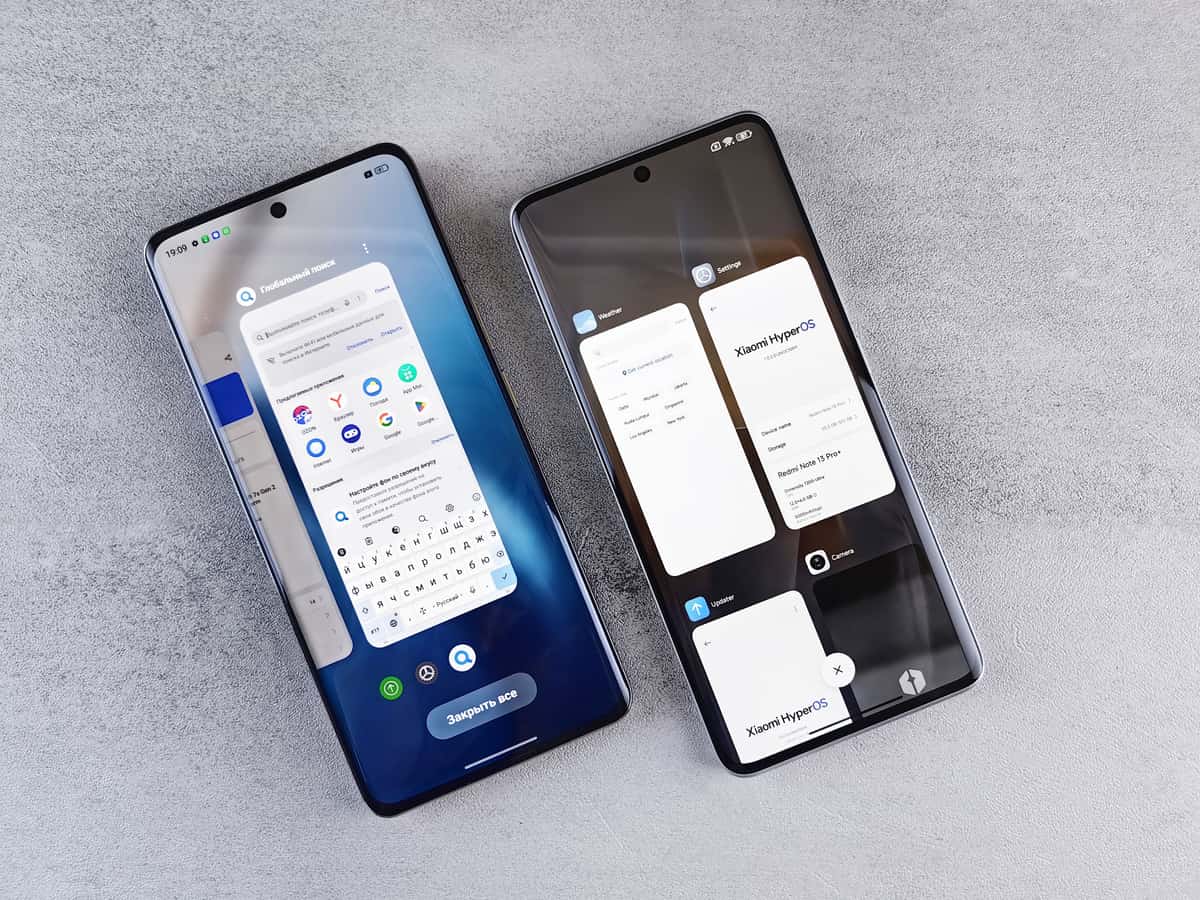
Head to head
HaloLock is the magnet system, CryoBoost is a cooling feature on some of them. Which to buy.
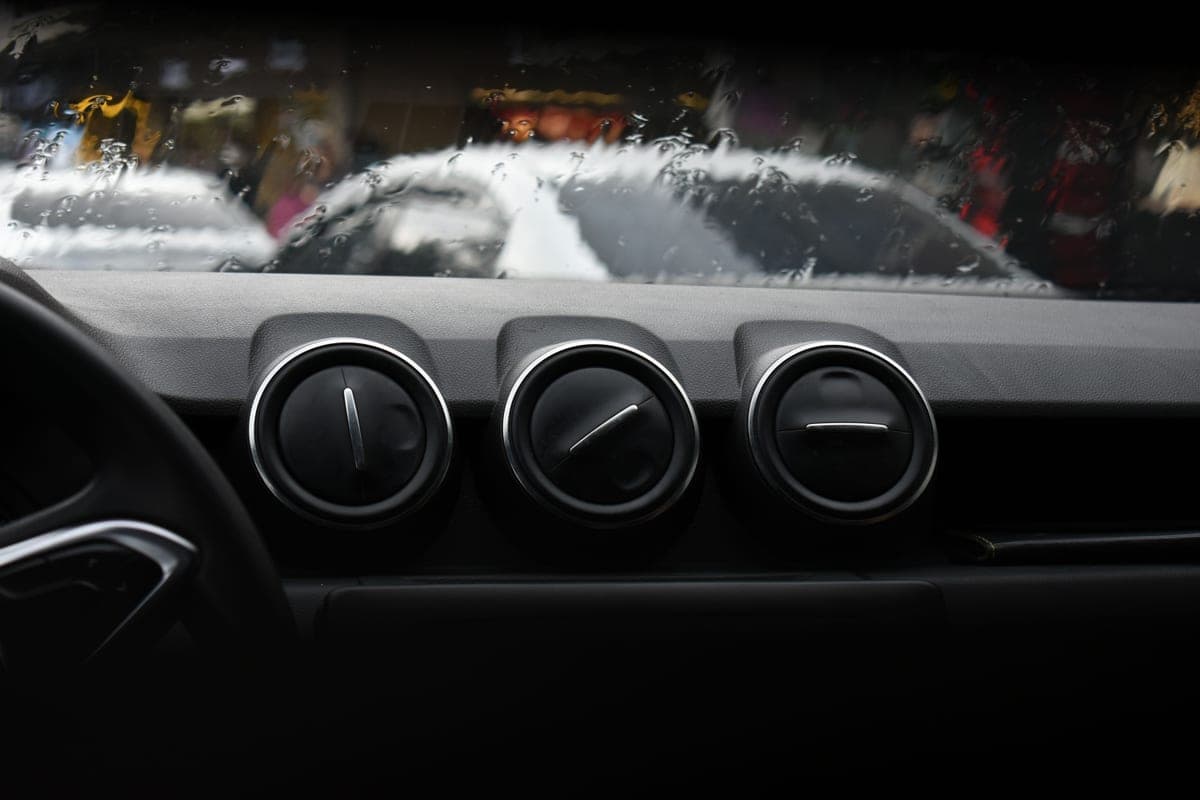
Guide
Four driveway checks that decide which mounting position your car can actually take.
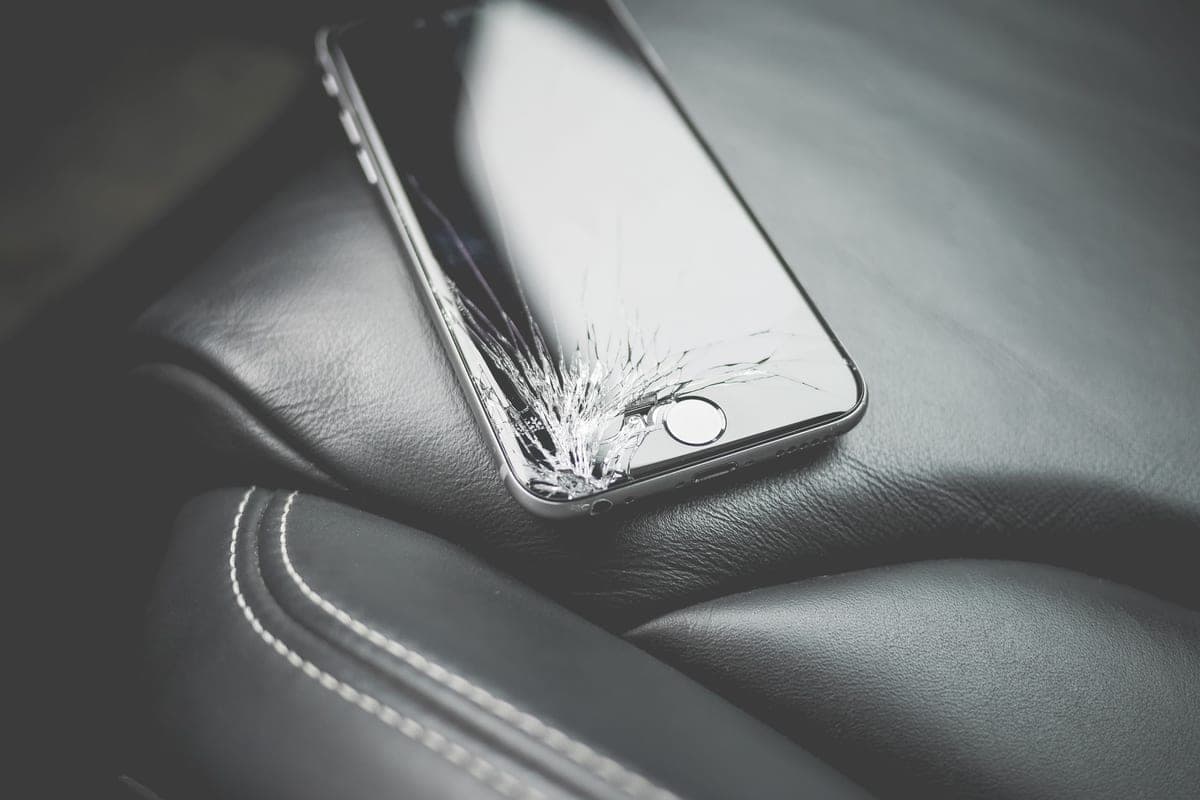
Guide
Four causes of a falling phone mount, in order of likelihood, with three fixes that cost nothing.
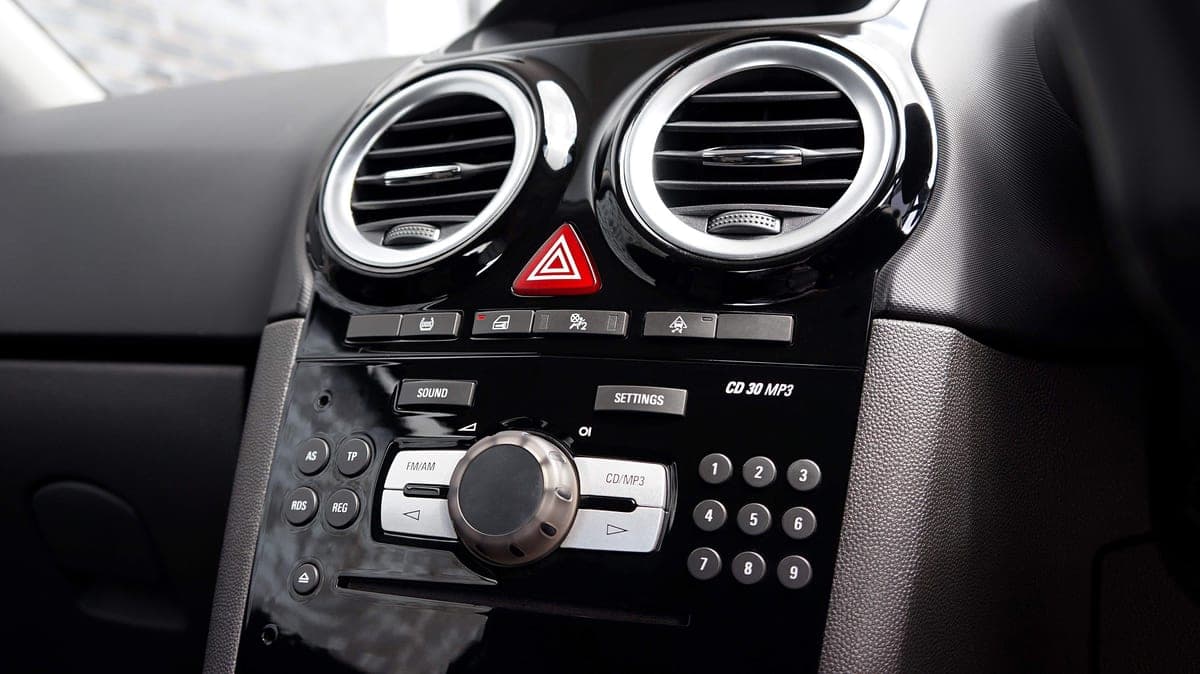
Best CD slot mount
The overlooked mounting position: rigid, central, no adhesive, no blocked vent.
Top pick: Scosche MagicMount Pro2
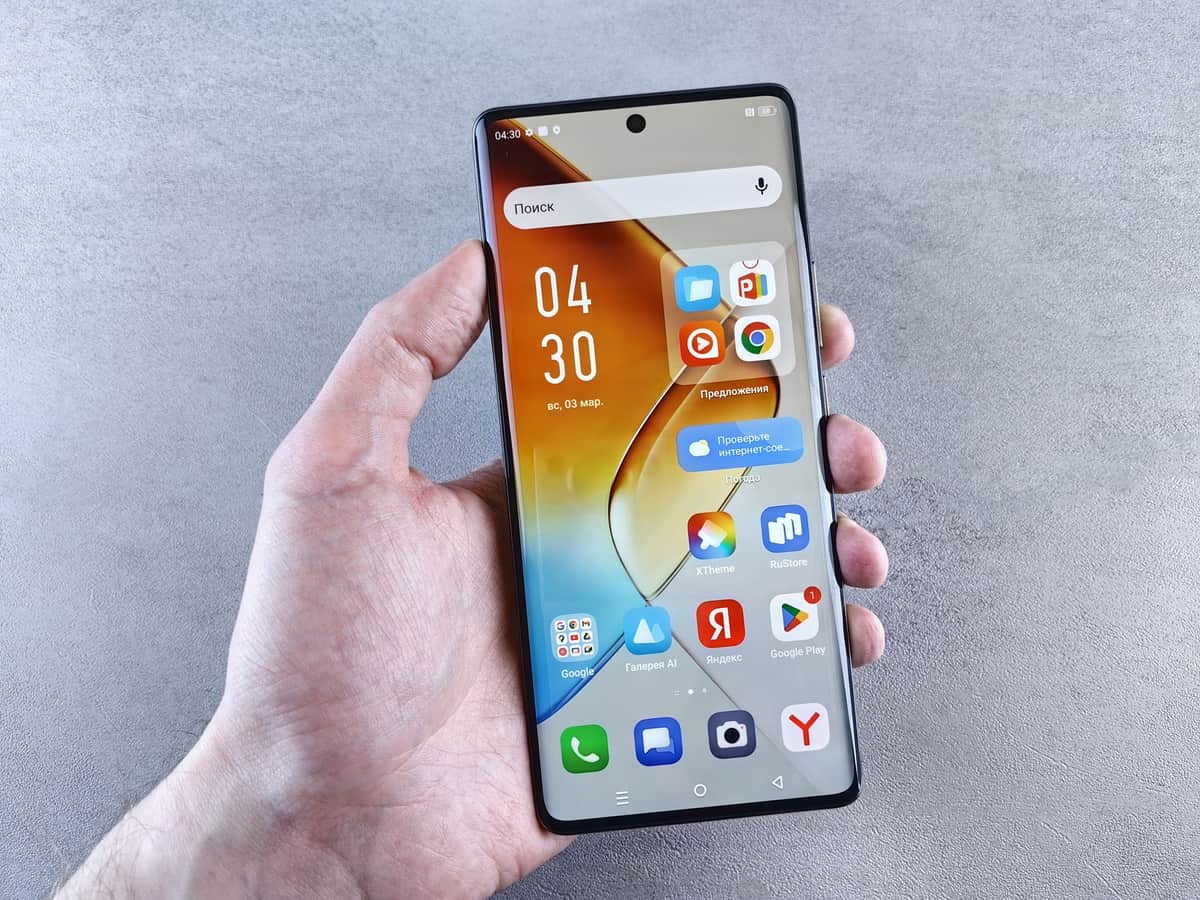
Best for big phones
Mounts ranked on published width range and weight rating, for large phones in thick cases.
Top pick: Scosche MagicMount Pro2
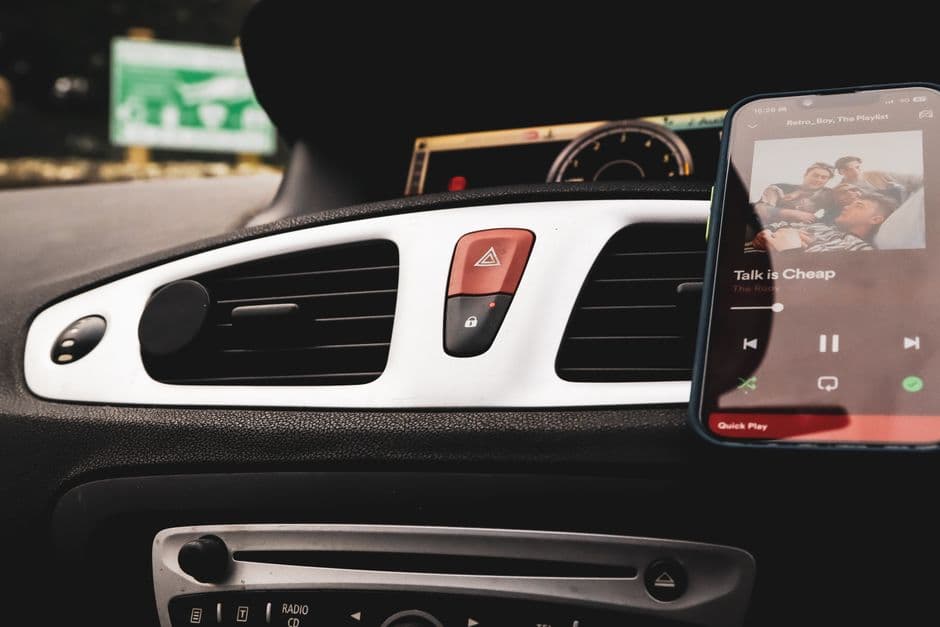
Best charging mount
Charging mounts ranked on published wattage, with the heat trade-off stated rather than skipped.
Top pick: Scosche MagicMount Pro2
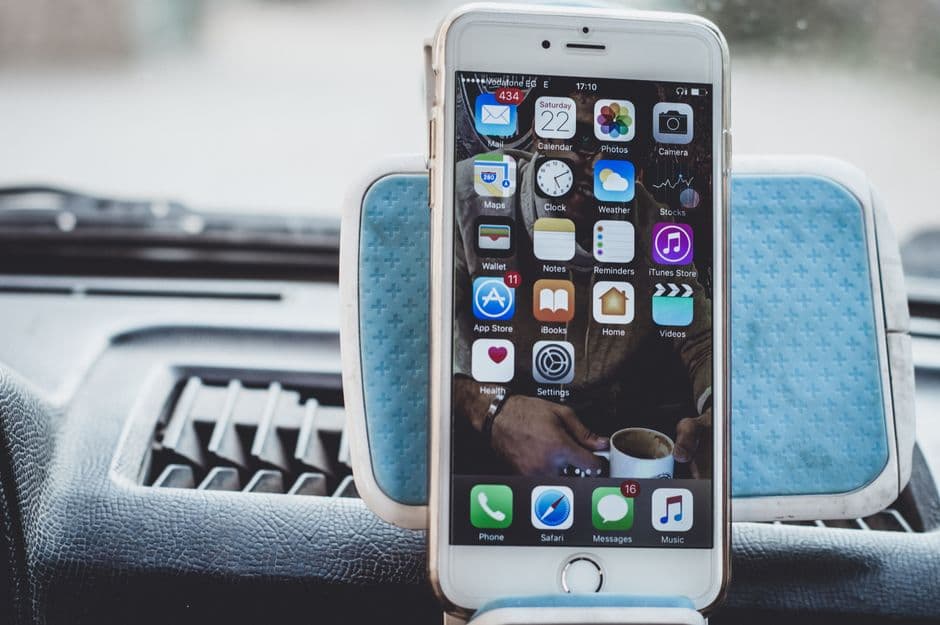
Guide
Magnets, heat and vibration examined separately — which actually harms a phone and which does not.
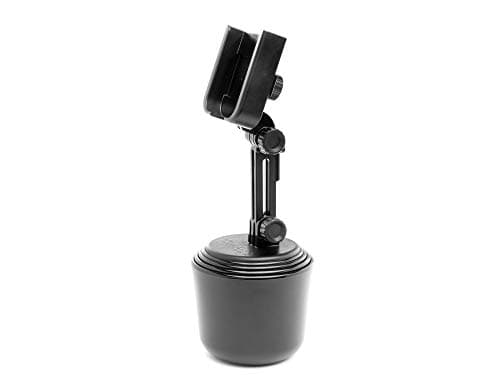
Best cup holder mount
Cup holder phone mounts judged on published phone dimensions and warranty, with the eyeline trade-off stated.
Top pick: WeatherTech CupFone
Best truck phone mount
Phone mounts for trucks, judged on the three things a truck does differently to a sedan.
Top pick: WeatherTech CupFone
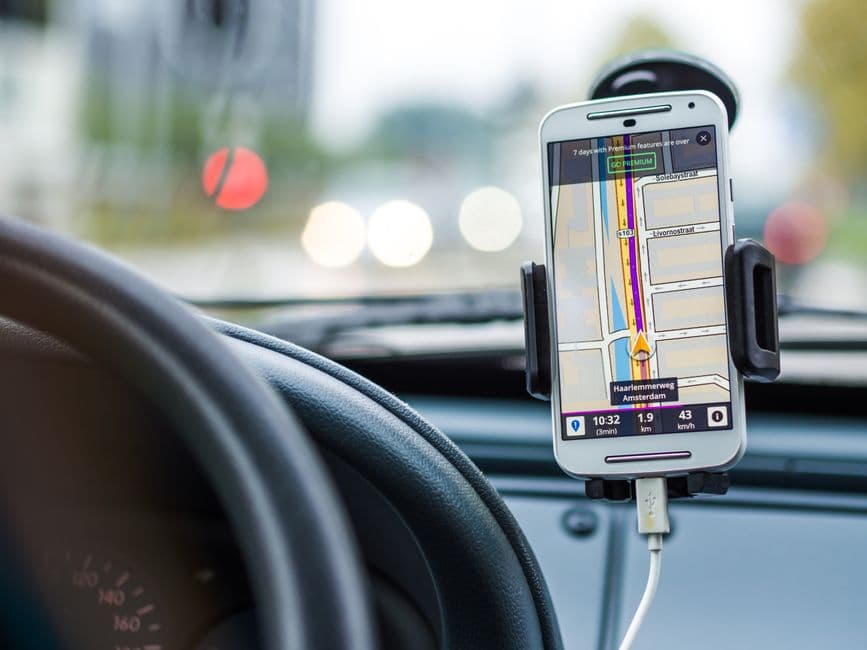
Head to head
The magnetic-versus-clamp decision, settled by phone weight, case thickness and road surface.

Guide
The four constraints on phone mount placement: obstruction, airbags, eyeline and heat.
Best phone mount overall
The overall phone mount picks, decided by attachment position rather than brand.
Top pick: WeatherTech CupFone
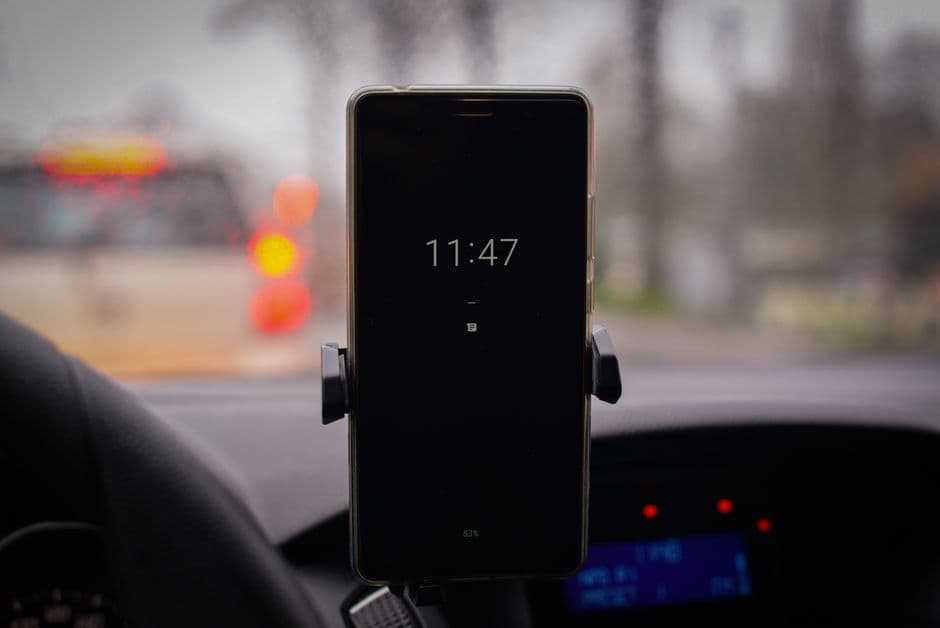
Best mount brand comparison
Cradle against magnet against Qi2 charger, compared on the published limit each brand actually states.
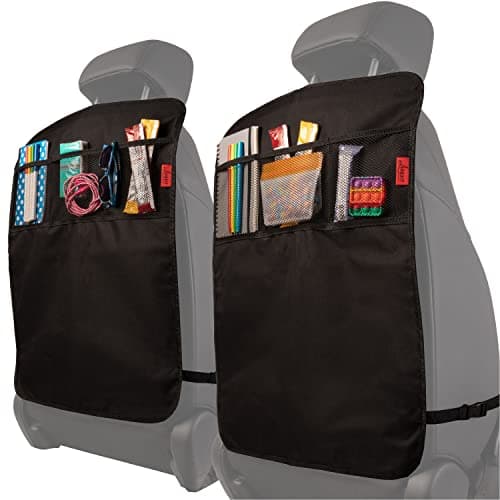
Best tablet mount
Headrest post spacing, published weight limits, and the crash-safety caveat that applies to anything mounted behind a seat.
Top pick: Lusso Gear Backseat Organizer Kick Mat
Best mount for a small car
Mount positions that work when there is no spare dashboard, with the published width and fit ranges that decide it.
Top pick: WeatherTech CupFone
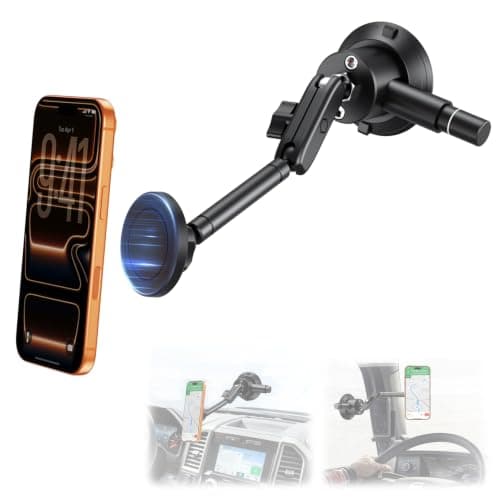
Best mount for recording
Long-arm and suction mounts for filming the road, with the phone-overheating limit stated plainly.
Top pick: elitehood 12 in Vacuum MagSafe Windshield Mount
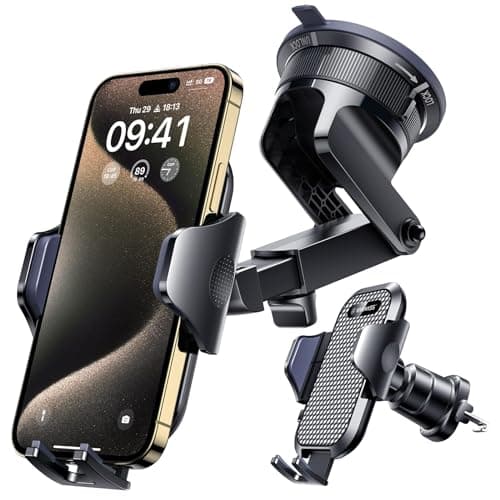
Best windshield mount
Suction windshield mounts ranked on published temperature range and warranty, not on unverifiable pounds of hold.
Top pick: VANMASS Version 5.0 Suction Mount
Prices last verified October 19, 2026. They move constantly; the figure on Amazon when you click is the real one.
Almost everybody buys the wrong mount first, and almost always for the same reason: they pick by price or by looks, discover the real constraint after a week, and buy a second one. The three constraints are attachment, hold and charging, and they are worth deciding in that order because each one narrows the field before the next one applies.
Vent, dashboard or windshield. This is a decision about your specific car, not about mounts in general. Some cars have thin blade vents a clamp cannot grip; some have dashboards too curved or too textured for adhesive; some states restrict what may be stuck to a windshield. The attachment guide works through which one your car can actually take.
The three types also fail differently, and the failure mode should decide the pick: adhesive pads let go in heat, suction cups let go in cold and on dusty glass, and vent clips sag on thin blades under a heavy phone. Nothing here is immune; the question is which failure you would rather manage.
A mechanical cradle grips the phone with arms. It does not care what case you use, what the case is made of, or whether your phone has a magnet ring, and it holds better than a magnet does when you take a hard corner. A magnetic mount grabs a MagSafe ring, or a plate you stick to the phone, and it is enormously faster: one hand, no looking, no aiming.
If you get in and out of your car many times a day, the magnet is worth it. If you get in once, drive an hour, and get out, the mechanical cradle is better and much cheaper. The vent page covers both.
A mount that charges wirelessly costs two to three times a mount that does not, and it brings a real constraint with it: wireless charging is inefficient, inefficiency is heat, and a phone in a car in summer is already hot. Phones throttle their own charging when they get hot, so a 15W wireless charger in an August car can easily deliver less power than a $10 cable would.
That is why the only wireless mount here with a fan is ranked where it is. It sounds like a gimmick and it is not — it is the one product in this section addressing the actual limiting factor. See the MagSafe and Qi2 page.
Qi2 brought magnetic alignment into the open wireless-charging standard and raised the certified ceiling to 15 W. Before it, “MagSafe compatible” on a non-Apple product often meant magnets plus 7.5 W charging, which is half speed dressed up in the same words. A Qi2 certification is a real, checkable claim; a “MagSafe compatible” label on its own is not.
Two things to check before you buy one. Your phone must support Qi2 to get 15W — iPhone 12 and later have the magnet ring, and Qi2 support specifically is newer than that. And almost every Qi2 car mount needs a 20 W or better USB-C power source in the car, which most factory 12V sockets and older USB ports do not provide. Budget for a car charger unless the mount includes one.
We have not fitted these mounts to a car and we do not publish a hold-strength test, because we do not have one. What we do publish is the attachment method, the maker's own weight rating where one exists, the wireless standard and its certification status, and the input the mount actually needs. Rows that say “Not published” are makers declining to commit, and they cost points. Here is the whole method.
Almost always heat plus dashboard texture. Adhesive pads are rated for a temperature range and a smooth surface, and a textured dash in August violates both. The full diagnosis, and what to do instead, is on the falling-mount page.
No. Modern phones use solid-state storage, which magnets do not affect, and phones designed for magnetic mounting have the shielding built in. What magnets do affect is a physical compass calibration and, historically, magnetic-stripe cards in a wallet case — so keep hotel keycards out of the sandwich.
If your drives are short and frequent, yes: the convenience is the product. If your drives are long, a cable is faster, cheaper and cooler. And if you buy wireless, buy one that manages heat, because a hot phone throttles its own charging and a 15W charger that has throttled is a very expensive 5W charger.