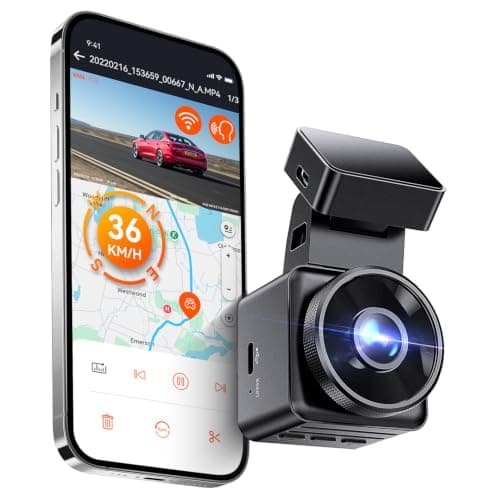
Best under $100
The best dash cams under $100
Four sub-$100 cameras ranked on published heat ceiling, power store and parking modes.
Top pick: Vantrue E1
Four ranked pages, a head-to-head, a single review and four guides — including the one that works out what parking mode actually costs your battery, in milliamps, because nobody else publishes the number.
Nothing here has been tested by us. How we pick · Who writes this · How we earn
In this section
The guides are free to read and always will be. The ranked pages carry affiliate links, and the top pick's buy button is on every card so you never have to dig for it.
Best under $100
Four sub-$100 cameras ranked on published heat ceiling, power store and parking modes.
Top pick: Vantrue E1
Best under $150
Five cameras under $150, ranked on sensor hardware, heat ceiling and warranty length.
Top pick: Vantrue E1
Best for parking mode
Five cameras ranked on named parking modes, hardwire requirements and battery cost.
Top pick: Vantrue E1
Best for heat
Cameras ranked purely on published operating ceiling and power storage. Most makers publish neither.
Top pick: Vantrue E1
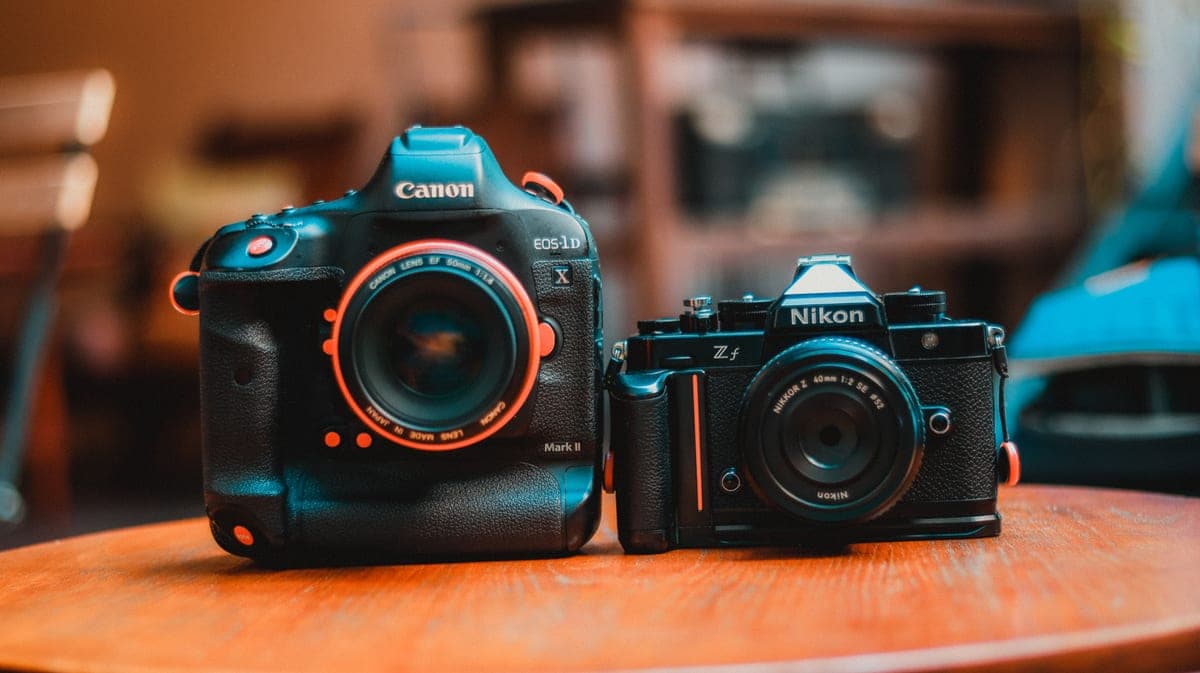
Head to head
VIOFO's published hardware against Garmin's supported ecosystem, on the numbers each publishes.
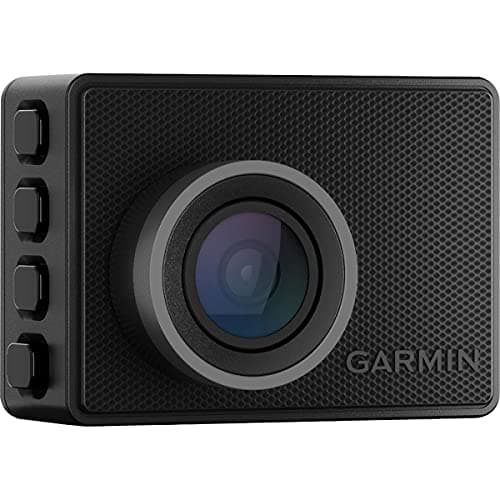
Single review
A discontinued camera with unusually good documentation and the lowest published heat ceiling here.
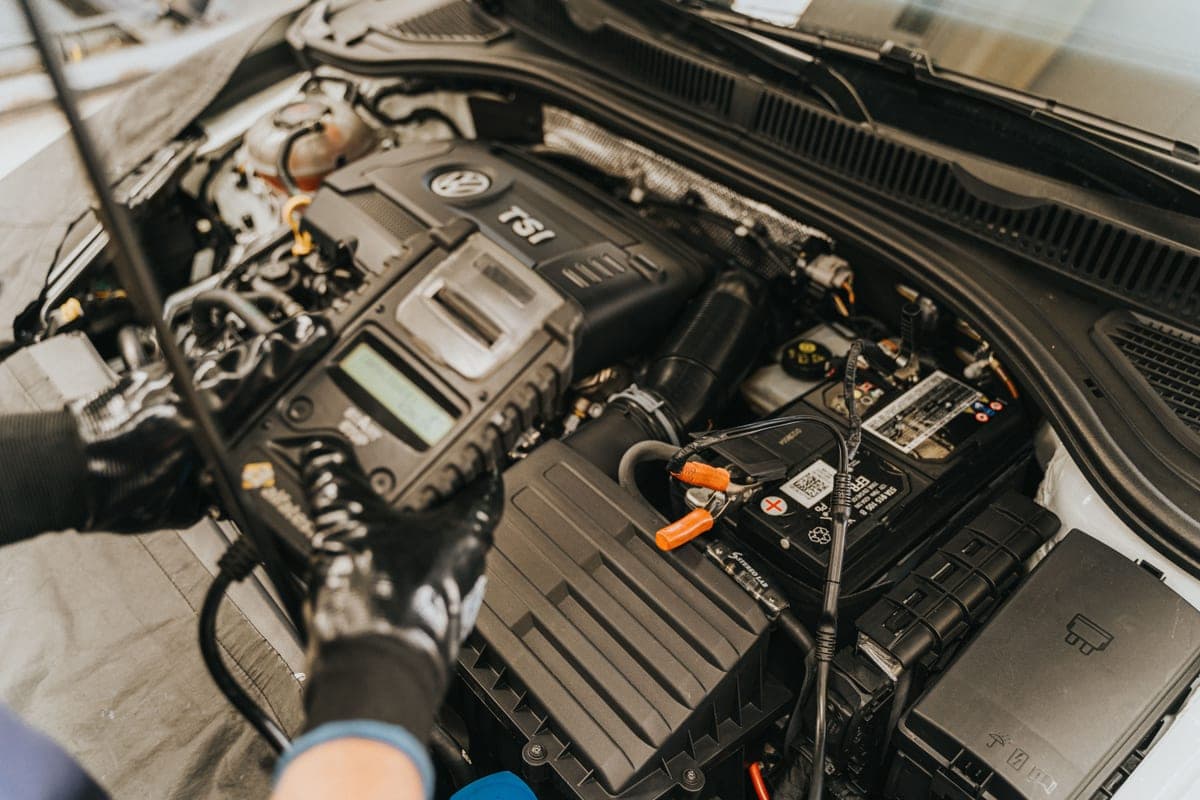
Guide
The parking-mode battery arithmetic in full, from published current draw to hours on the clock.
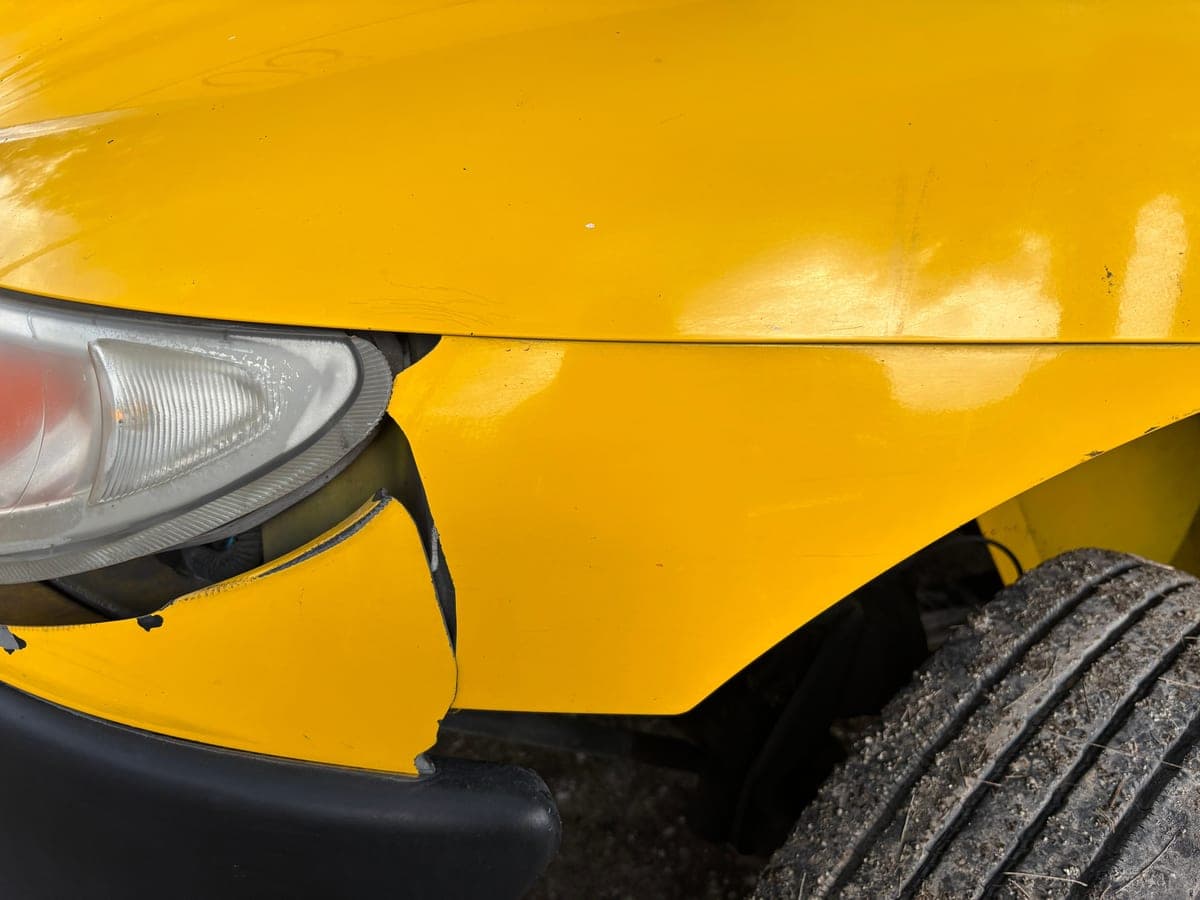
Guide
What a dash cam actually settles, what it does not, and the three cases where it is not worth it.
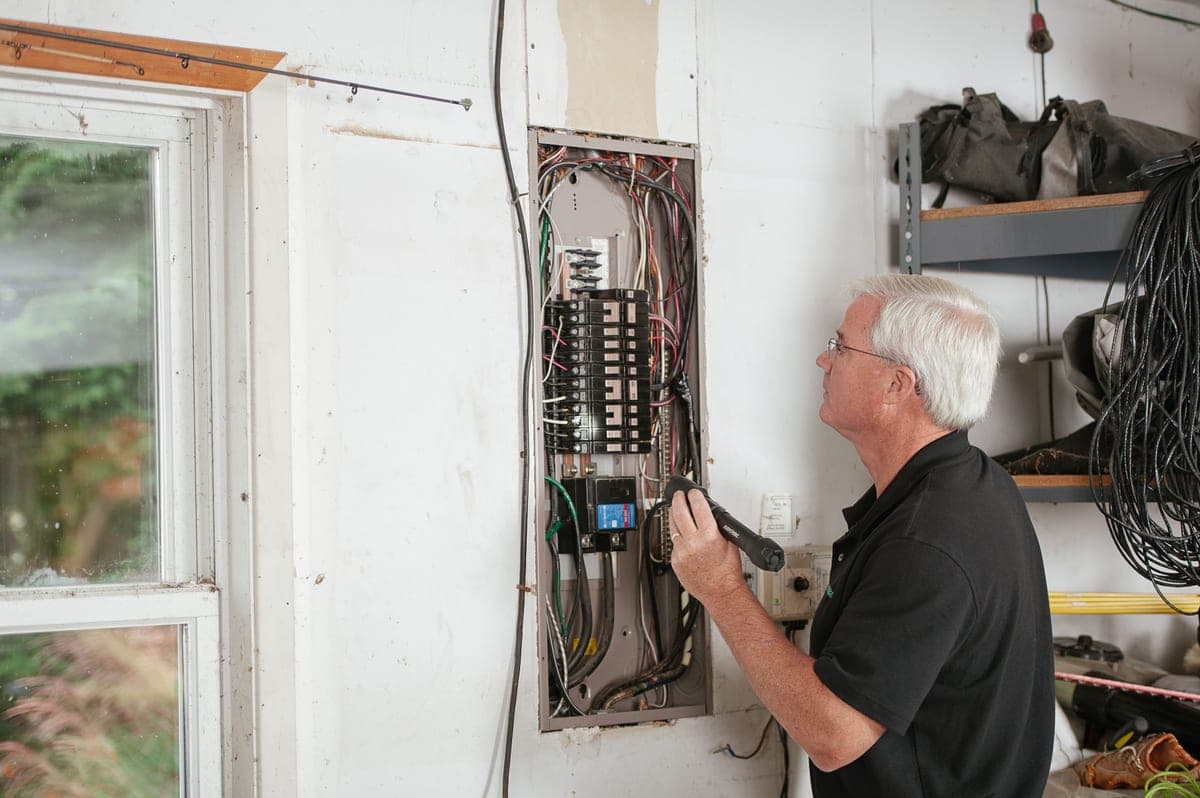
Guide
Eight steps to hardwire a dash cam: fuse selection, cable routing and the cutoff setting.
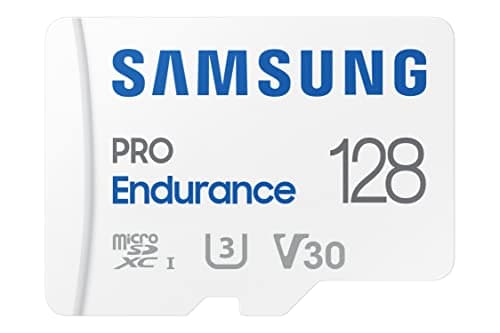
Best memory card
Endurance cards compared on published rated hours and TBW. The gap is seven to one.
Top pick: Samsung PRO Endurance microSD
Best for rideshare
Cameras with a cabin channel, ranked for drivers carrying passengers they do not know.
Top pick: Vantrue E1
Best for a new driver
Cameras for a first car, ranked on heat tolerance and how little setup they need.
Top pick: Vantrue E1

Guide
The two rules that vary by state — windshield mounting and audio consent — and how to avoid both.
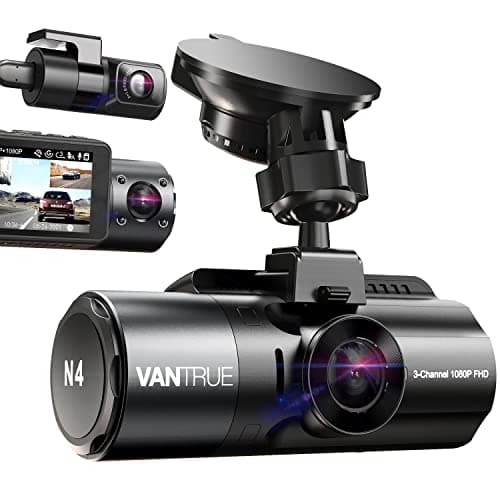
Best two-camera setup
Front-and-rear dash cams ranked on published rear resolution and heat ceiling, with an honest account of the cable run.
Top pick: Vantrue N4

Guide
Why 4K often reads plates no better than 2K, and which specification actually decides legibility.
Guide
The steps, in order, that stop loop recording overwriting the clip you need after a crash.
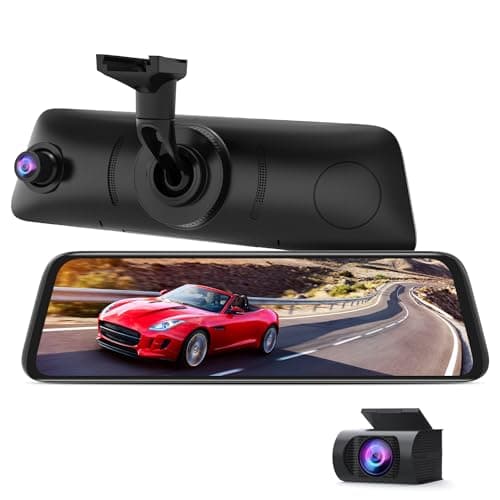
Best mirror-style dash cam
Mirror-style dash cams judged on published sensor and card ceiling, with the failure mode nobody mentions.
Top pick: Samsung PRO Endurance microSD
Best dash cam for a truck
Dash cams for trucks and SUVs, judged on the install problems a larger vehicle actually creates.
Top pick: Samsung PRO Endurance microSD
Best GPS dash cam
GPS-logging dash cams compared, including the honest case for not recording your own speed.
Top pick: AUTO-VOX V5PRO Mirror Dash Cam
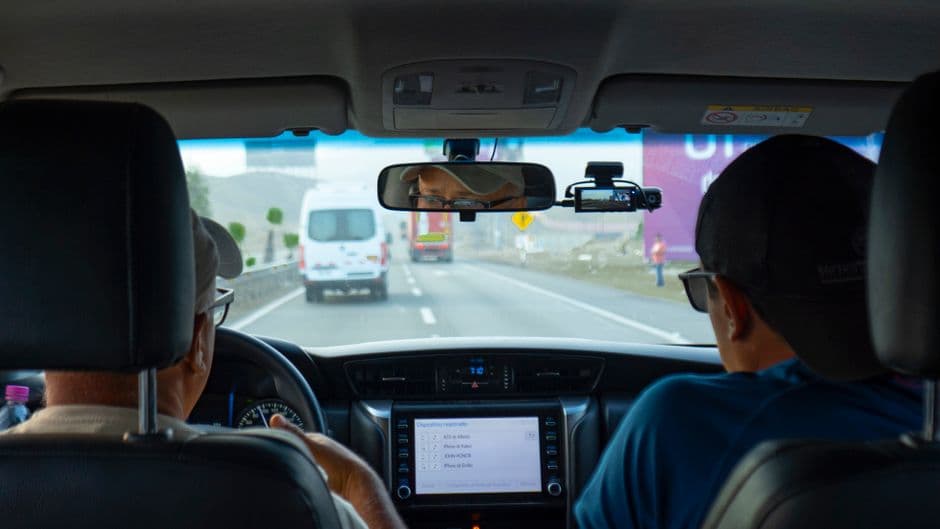
Guide
Every common dash cam feature sorted into essential, useful and filler, with the reasoning for each.
Guide
The maintenance routine that catches silent dash cam failure: format, verify, clean, re-aim.
Best dash cam overall
The overall dash cam picks, ranked on published operating ceiling and power store rather than resolution.
Top pick: Samsung PRO Endurance microSD
Best backup camera
Backup cameras judged on published ingress rating and operating range, with the wiring wireless does not remove.
Top pick: AUTO-VOX V5PRO Mirror Dash Cam
Best radar detector
Radar detectors compared on filtering and direction rather than the range nobody publishes, with the legal restrictions stated.
Top pick: Vantrue E1
Best budget brand comparison
Three budget dash cam brands separated by what they publish, with heat headroom as the deciding axis.
Best parking sensor kit
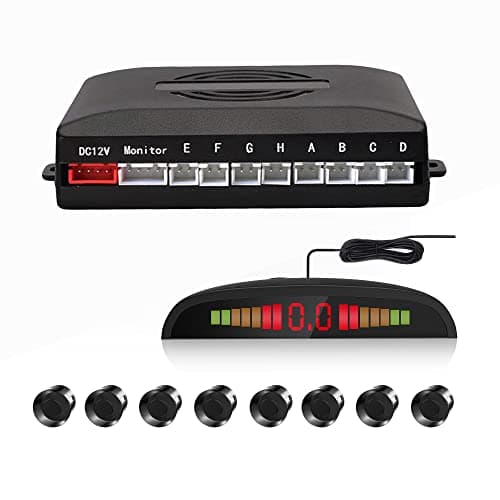
Four ultrasonic parking sensor kits compared on sensor count, display, alert modes and published warranty.
Top pick: EKYLIN 8-Sensor Parking Radar with LED Display
Head to head
A brand comparison on published figures only. Vantrue takes more heat, VIOFO takes more cold, and both commit to 18 months.

Head to head
What the third channel is actually for, the card and heat costs of adding it, and the consent question it raises.
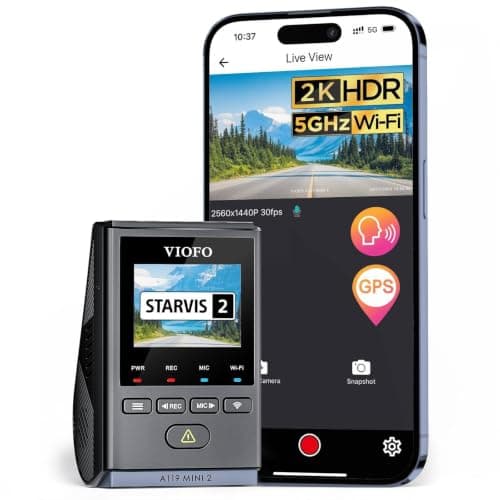
Best dash cam for night driving
Night performance judged on published aperture and sensor, with the counterintuitive reason a higher resolution can be worse.
Top pick: VIOFO A119 Mini 2
Single review
The HDR and frame-rate trade-off VIOFO states but nobody quotes, three figures its own page and its listing disagree on, and the upgrade it will never accept.
Best no-subscription dash cam
Cameras with no cloud service to cancel, and a clear account of what a dash cam subscription actually buys.
Top pick: Vantrue E1
Head to head
Two channels against three, with the published temperature ranges that separate these two makers.
Best cold-weather dash cam
Cameras ranked on the published cold floor, not the marketing — plus what actually fails first in a frozen car.
Top pick: VIOFO A119 Mini 2
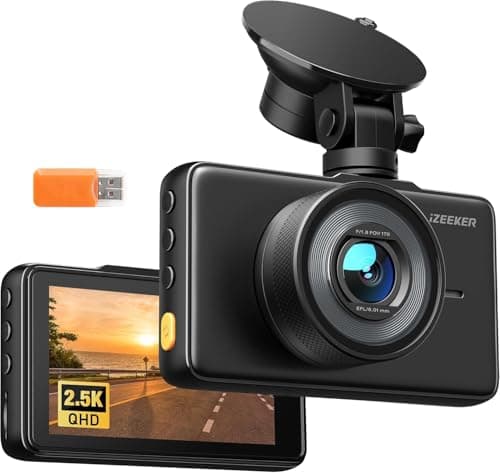
Best under $50
Five sub-$50 cameras compared on published aperture and card limits, plus the two parts none of them include.
Top pick: iZEEKER 2.5K Dash Cam Front
Prices last verified October 19, 2026. They move constantly; the figure on Amazon when you click is the real one.
A dash cam is the only accessory here that has to work perfectly on the one day you need it and can be ignored completely on the other 364. That asymmetry is why the buying advice in this category is so bad: almost everything written about dash cams ranks image quality, and almost every dash cam failure is about heat, power or a memory card, none of which show up in a sample clip.
So the pages here are organized around the three things that actually decide whether your camera has footage on the bad day. What temperature the maker will commit to in writing. Whether parking mode is a real feature on your car or a spec-sheet line item that needs a fuse box and an afternoon. And what card is in it, because a camera writing continuously for three years will kill a general-purpose microSD long before the camera itself fails.
If you have never owned one and want the shortest route to a camera that works, buy in this order:
A car parked in summer sun runs roughly 60 to 70 C inside, and the strip of windshield where a dash cam lives is hotter than the cabin average because it is behind glass in direct sun with no airflow. That is the environment the device has to survive, every day, for years.
Two things follow. First, a camera with a lithium battery in it is a camera with a consumable in the hottest part of the car; batteries swell and lose capacity in heat, which is why the good cameras use a supercapacitor instead. Second, the published operating ceiling is the most useful number on the whole spec sheet, and most makers do not publish one at all.
When a listing says “24-hour parking mode” it could mean any of three things, and they draw wildly different amounts of power:
All three need power with the ignition off, which the 12V socket does not supply in most cars. That is what the hardwire kit is for, and it is the real cost of parking mode: not the money, the afternoon. The install guide walks the whole job, and the battery page does the division that tells you how many nights you get before the car will not start.
We have not mounted any of these cameras in a car. Every competitor in this category leads with a testing claim, and we cannot make one honestly, so we compete on something else: the manufacturer specifications, compiled with their sources attached, and the arithmetic those specifications support. Where a maker does not publish a figure, the spec table on the page says “Not published” and the product loses points for it. The methodology page sets out the whole thing.
For reading a plate, frame rate and lens speed matter more than pixel count. A 2K camera at 60fps freezes a moving plate better than a 4K camera at 30fps, because the plate is smeared across the frame in the longer exposure either way. If you are choosing between two cameras at the same price, take the higher frame rate.
Only in parking mode, and only if the hardwire kit's low-voltage cutoff is set too low or not set at all. Driving power comes from the alternator and costs you nothing. The arithmetic, with published current-draw figures, is on the parking-mode page.
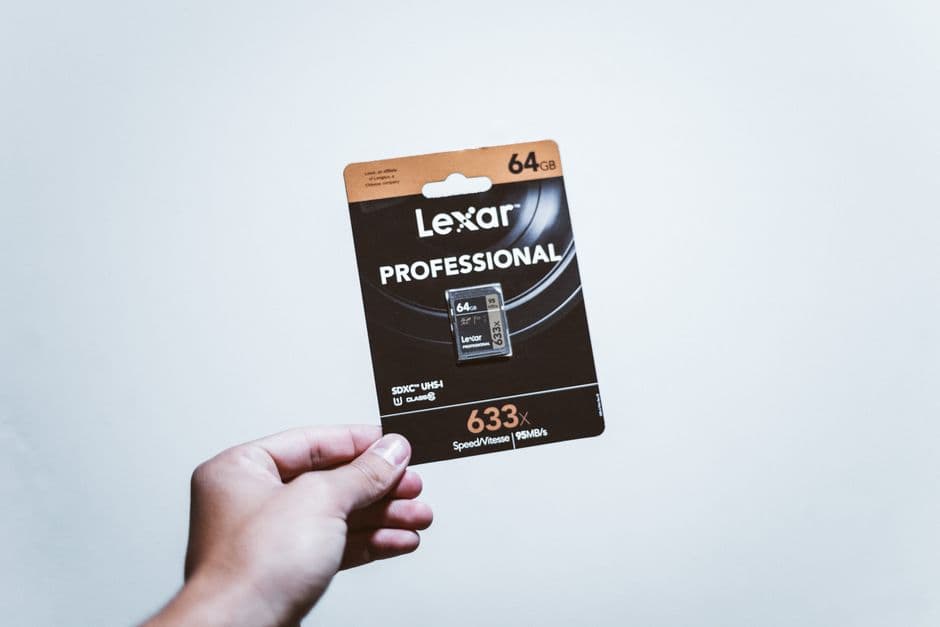
You can, and it will fail. A general-purpose card is designed for occasional writes; a dash cam overwrites its entire capacity every few hours, forever. Endurance cards are rated for exactly this duty cycle, and the gap between a good one and a general-purpose one is measured in years of service life. See the card page.
No. Plugged into the 12V socket, the camera records whenever the car is running, which covers every collision you are actually in. Hardwiring only adds recording while the car is parked and switched off. It is worth doing if you park on a street or in a shared lot, and it is a genuine afternoon of work.