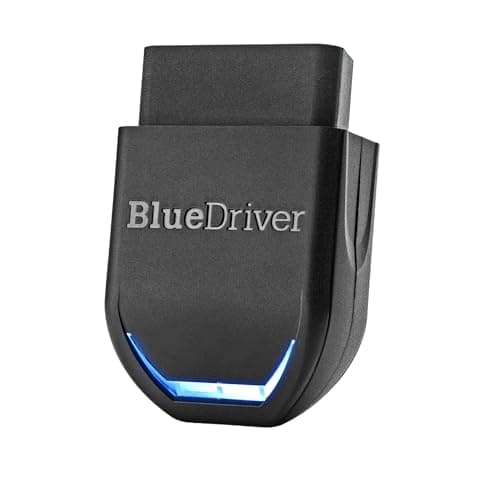
Best OBD2 scanner
The best OBD2 scanners
OBD2 scanners ranked by which systems each tier can actually read, not by price.
Top pick: BlueDriver Pro OBD2 Scanner
Diagnostics, battery care, lighting, glass and paint protection. Everything in this section is a thing you do to the vehicle rather than a thing you put in the cabin, and almost all of it is a Saturday job.
Nothing here has been tested by us. How we pick · Who writes this · How we earn
In this section
The guides are free to read and always will be. The ranked pages carry affiliate links, and the top pick's buy button is on every card so you never have to dig for it.
Best OBD2 scanner
OBD2 scanners ranked by which systems each tier can actually read, not by price.
Top pick: BlueDriver Pro OBD2 Scanner
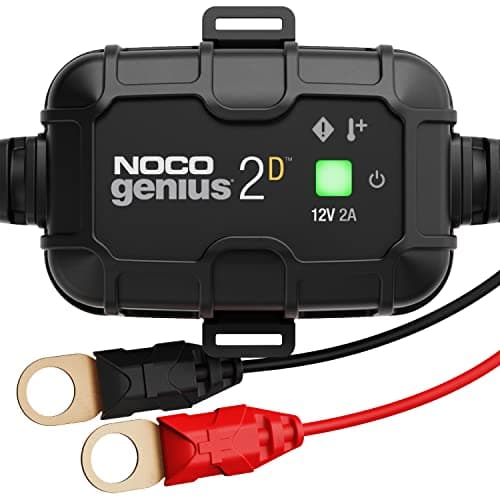
Best battery charger
Battery chargers and maintainers judged on published chemistry support, capacity ceiling and thermal compensation.
Top pick: NOCO GENIUS5 Battery Charger
Guide
Why drop-in LED bulbs are not street legal in halogen housings, and the three routes that actually work.
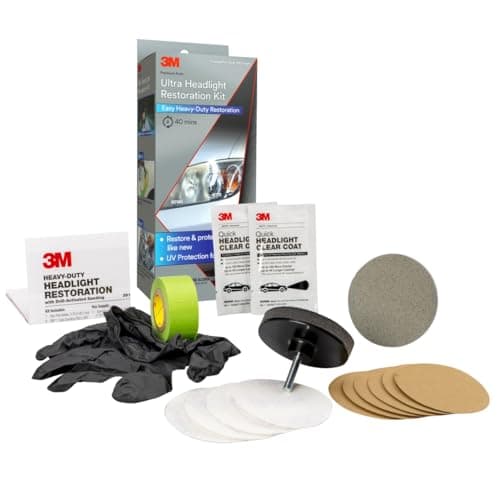
Best restoration kit
Restoration kits judged on published grit sequence and whether they finish with UV clear coat.
Top pick: 3M Ultra Headlight Restoration Kit
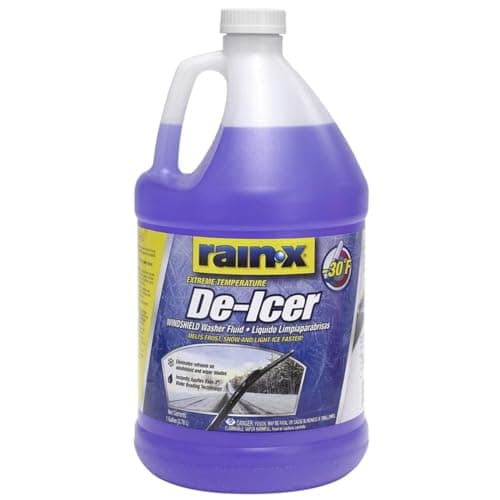
Best wiper blade
Wiper blades compared on construction and published warranty, with the ice failure that decides beam vs framed.
Top pick: Rain-X De-Icer Windshield Washer Fluid
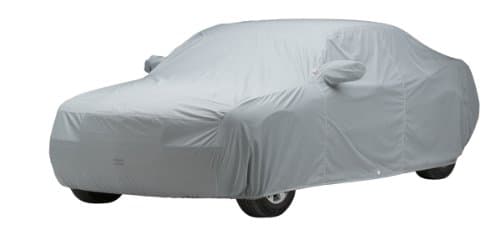
Best outdoor car cover
Outdoor car covers judged on breathability and published warranty, with the waterproofing trap explained.
Top pick: Covercraft WeatherShield HP Car Cover
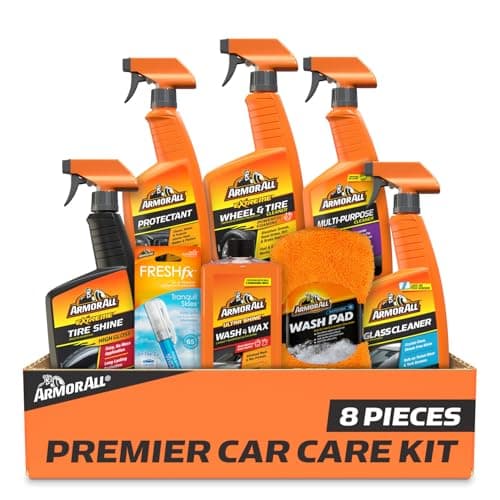
Best detailing kit
Detailing kits judged on published contents, with the grit guard argument and what the kits leave out.
Top pick: Armor All 8-Piece Car Cleaning Kit
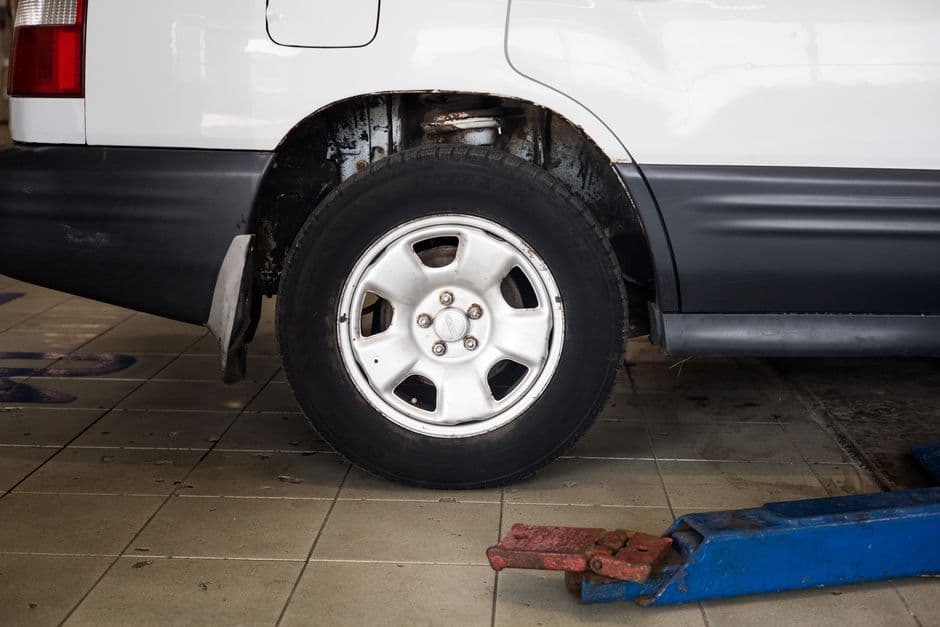
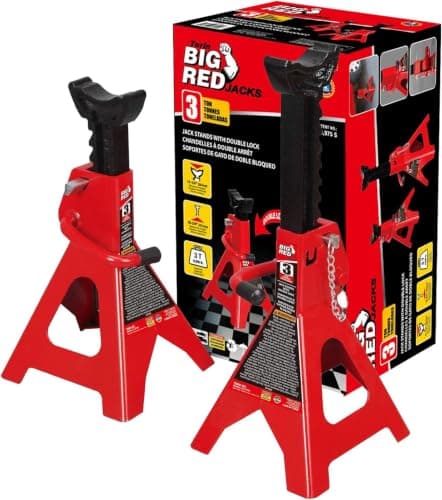
Best jack stands
Jack stands ranked on published capacity, base footprint and ASME compliance, with the rule that has no exceptions.
Top pick: Anker Bolder LC90 Flashlight
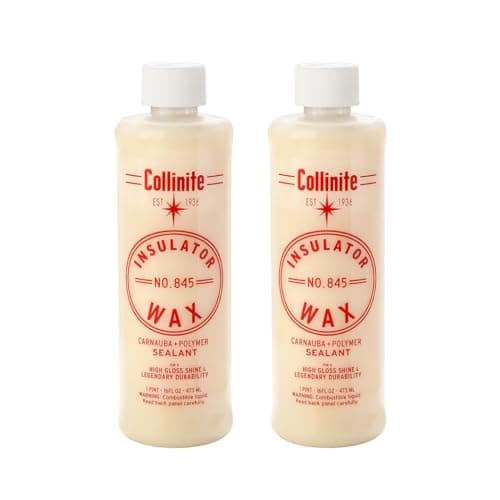
Best car wax
Three waxes compared on the one specification that matters and almost nobody publishes: stated durability.
Top pick: Collinite No. 845 Insulator Wax
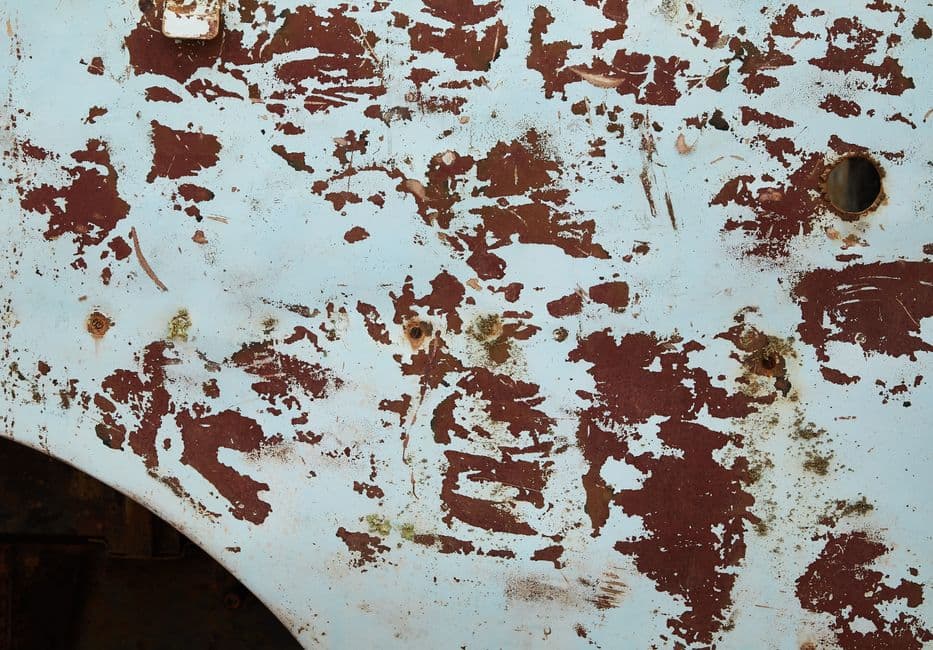
Best scratch remover
Abrasive polishes against a clear-coat filler, with the test that tells you which one your scratch needs.
Top pick: 3M Scratch Remover
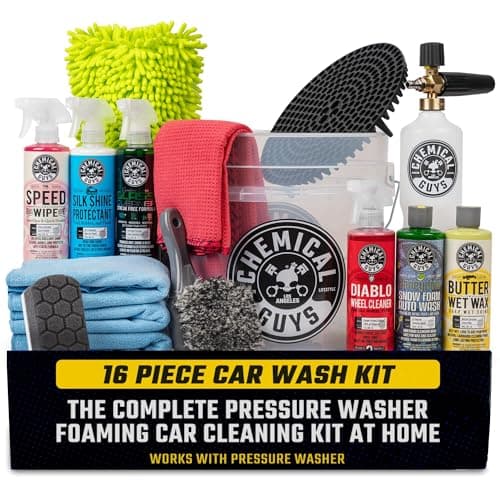
Best microfiber towels
GSM explained, who publishes it, and the color-coding rule that stops a wheel towel reaching paint.
Top pick: Chemical Guys 16-Piece Arsenal Builder Kit
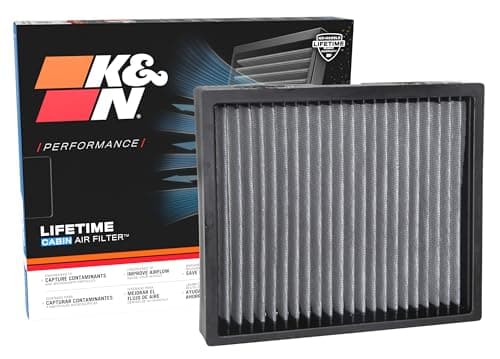
Best cabin air filter
HEPA against carbon against washable, with the particle-size trap that makes the headline percentages misleading.
Top pick: K&N Lifetime Washable Cabin Air Filter
Best rain repellent
Glass treatments compared on stated durability and the chemistry behind it, plus the temperature rule that catches everyone out.
Top pick: Rain-X De-Icer Windshield Washer Fluid
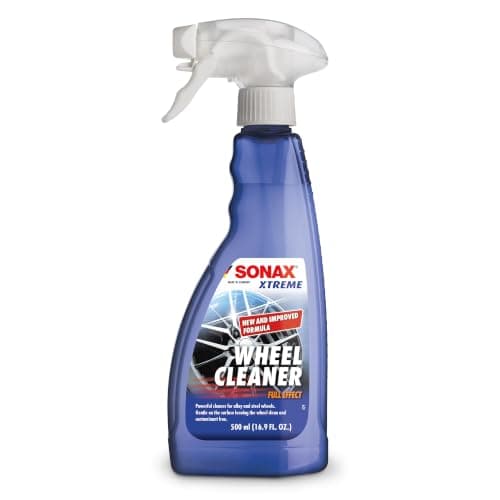
Best wheel cleaner
An acid-free iron remover with a color indicator, a gel dressing that does not sling, and one bottle that does both trim and tires.
Top pick: SONAX Wheel Cleaner Full Effect
Best battery tester
What a tester measures, why AGM support matters, and how to tell a dying battery from a failing alternator.
Top pick: NOCO GENIUS5 Battery Charger
Best torque wrench
Published accuracy tolerances, the 10-150 ft-lb range that covers passenger cars, and the storage rule nobody follows.
Top pick: BIG RED Torin Double Locking Jack Stands (3 Ton)
Best fuel additive
Fuel additives compared on named chemistry and published dosing, with a clear statement of what they cannot fix.
Top pick: BlueDriver Pro OBD2 Scanner
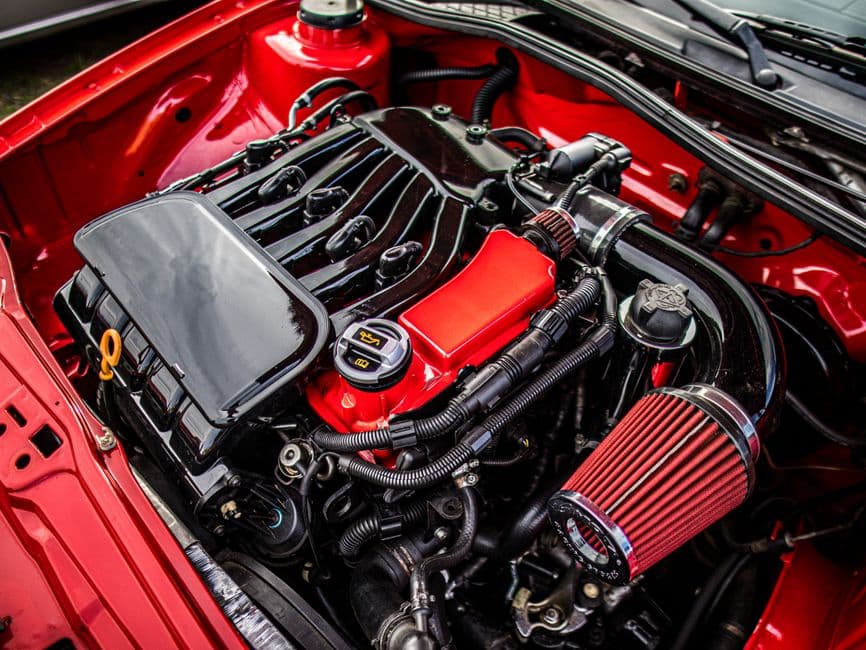
Best engine air filter
Disposable paper against washable oiled cotton, compared on published intervals, warranty and the MAF sensor question.
Top pick: K&N High-Flow Engine Air Filter
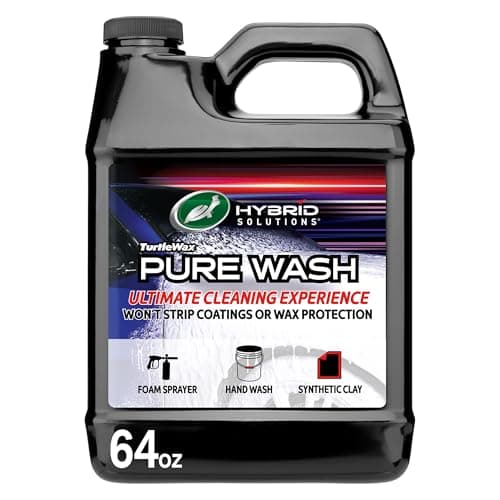
Best car wash soap
Four pH-neutral shampoos ranked on volume, method and disclosure, plus the one that doubles as a clay lubricant.
Top pick: Turtle Wax Pure Wash Foaming pH Neutral Car Soap
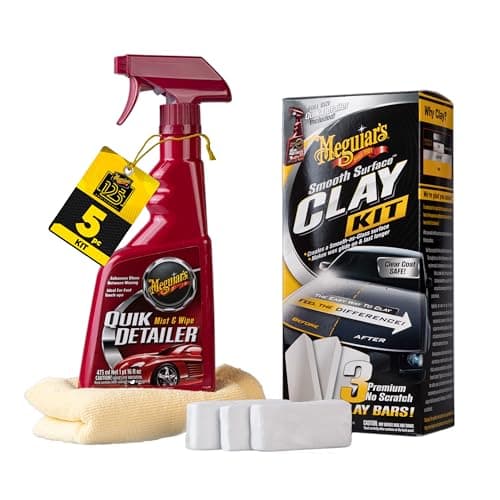
Best clay bar kit
Four decontamination kits ranked on bar weight, published clay grade and whether the lubricant is in the box.
Top pick: Meguiar's Smooth Surface Clay Kit
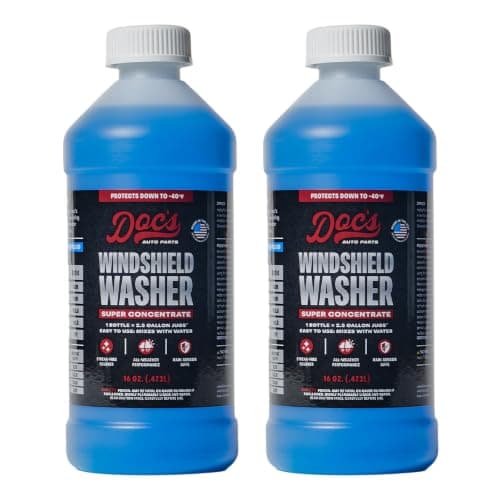
Best washer fluid
Concentrates, tablets and ready-mixed de-icer ranked on published freeze point, yield and sensor compatibility.
Top pick: Doc's Windshield Washer Concentrate
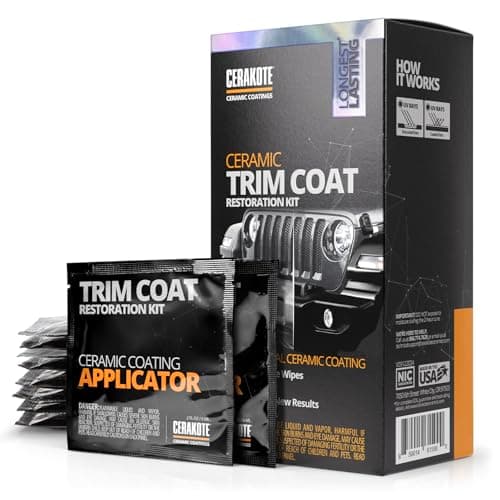
Best trim restorer
Four restorers for faded exterior plastic, split by coating against dressing, with the only published durability figure in the category.
Top pick: Cerakote Ceramic Trim Coat Kit
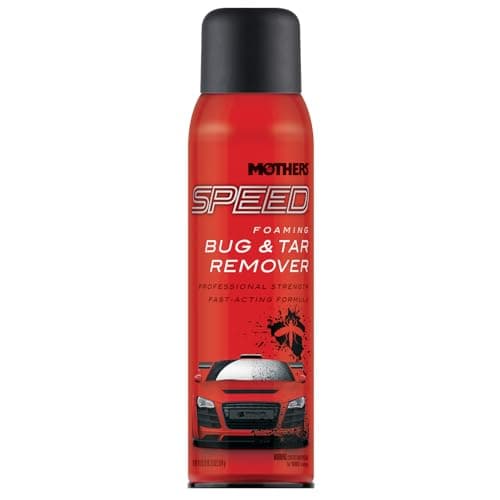
Best bug and tar remover
Four bug and tar removers split by foam against spray, with the only product that names vinyl wrap and PPF as safe.
Top pick: Mothers Speed Foaming Bug & Tar Remover, 18.5 oz
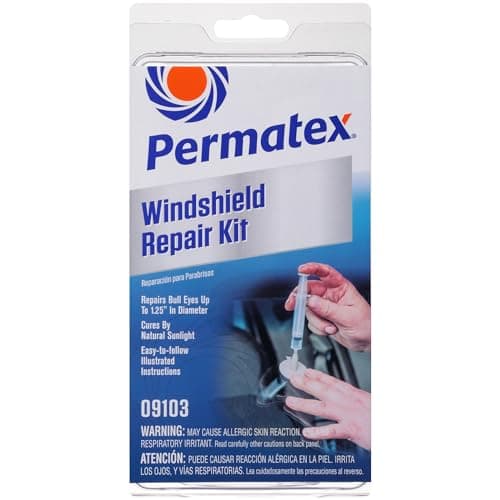
Best windshield repair kit
Four chip repair kits compared on published damage limits, resin volume and cure method, with the ones that state a maximum.
Top pick: Permatex 09103 Windshield Repair Kit
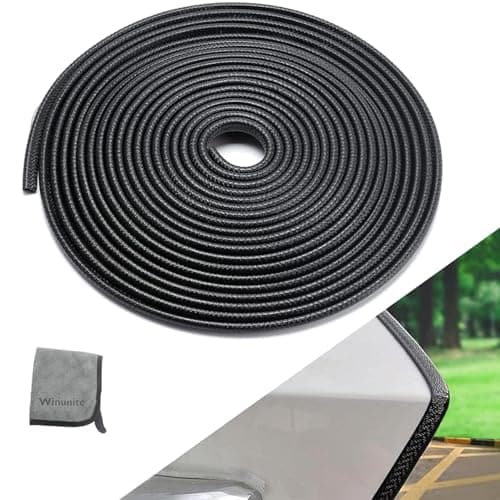
Best door edge guard
Clip-in and adhesive door edge trim compared on length, retention and the published door-thickness limit.
Top pick: Winunite No-Glue Car Door Edge Guards, 32.8 ft
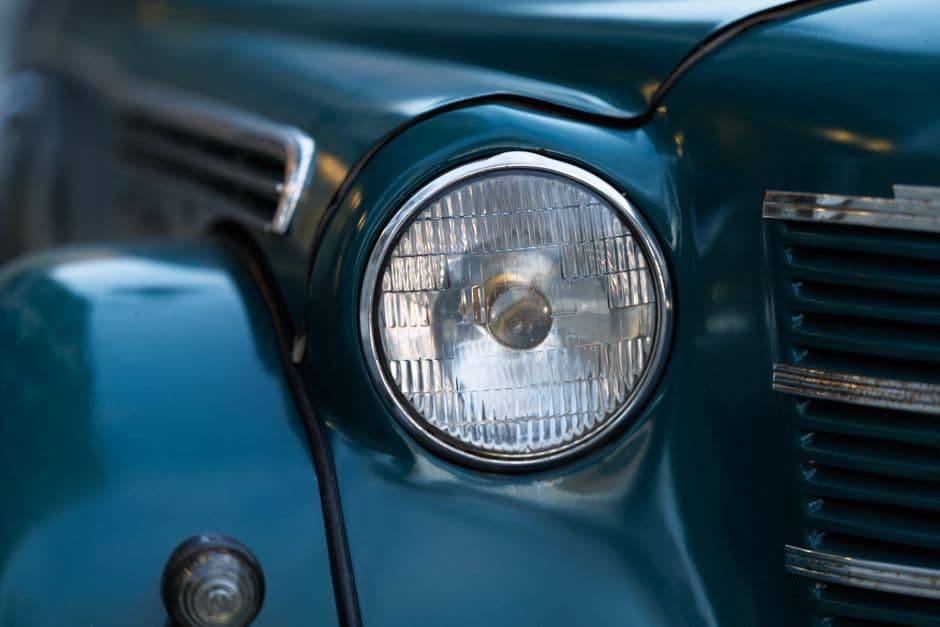
Head to head
A clouded lens and a tired bulb look identical from the driver's seat. The test that separates them, and what each fix actually costs.
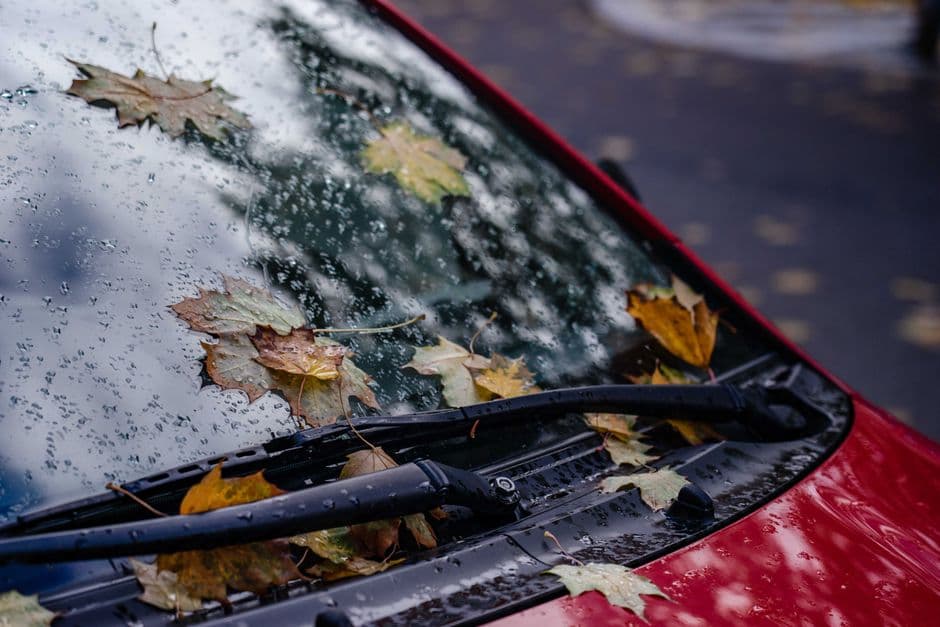
Head to head
A treatment changes what the water does. A blade changes what gets cleared. Which failure you have decides which one to buy.
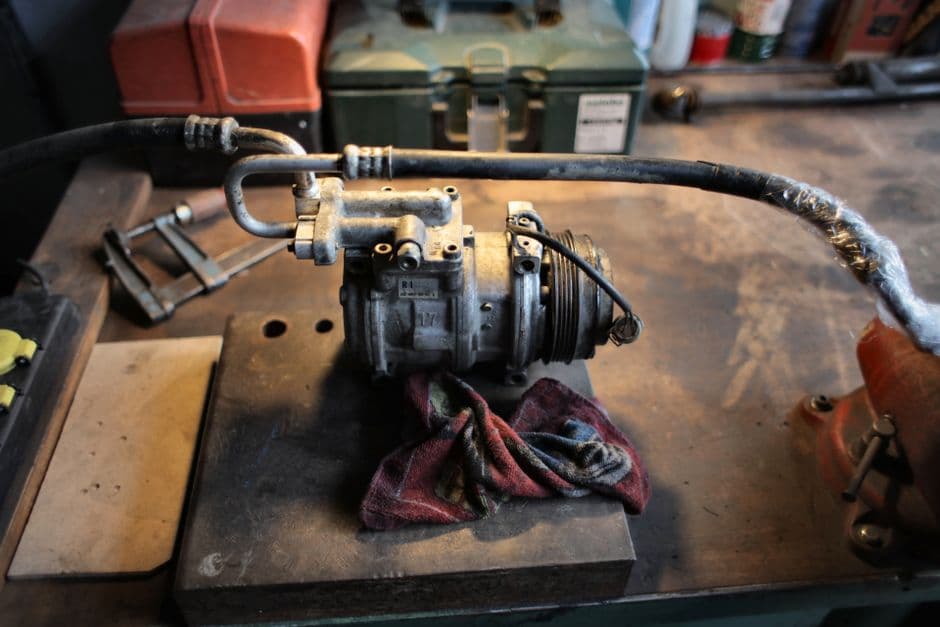
Head to head
Which one is behind your glovebox and which is under the hood, what each actually does, and why the symptoms never overlap.
Head to head
One pass or two, and the durability figures neither category will commit to. Which suits a garaged car and which suits a parking space.
Best waterless car wash
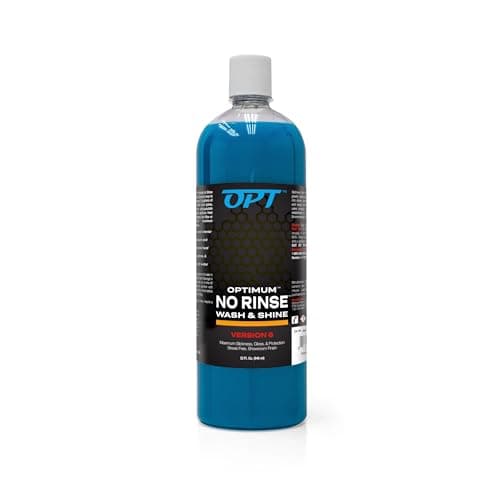
Waterless sprays against a rinseless concentrate, the lubricity that stops swirls, and the one product that publishes a dilution ratio.
Top pick: Optimum No Rinse Wash and Shine V6
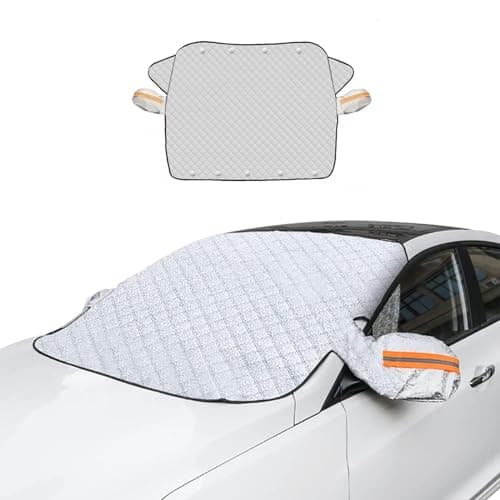
Best windshield snow cover
Snow and ice covers compared on published fabric weight, size and magnets, with the anchoring problem nobody mentions.
Top pick: Magnetic 4-Layer Windshield Snow Cover
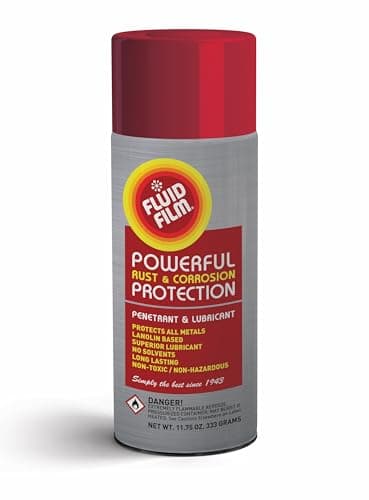
Best rust prevention spray
Lanolin rustproofing compared, with why a hard undercoating can accelerate the rust it was sold to stop.
Top pick: Fluid Film Aerosol, 11.75 oz
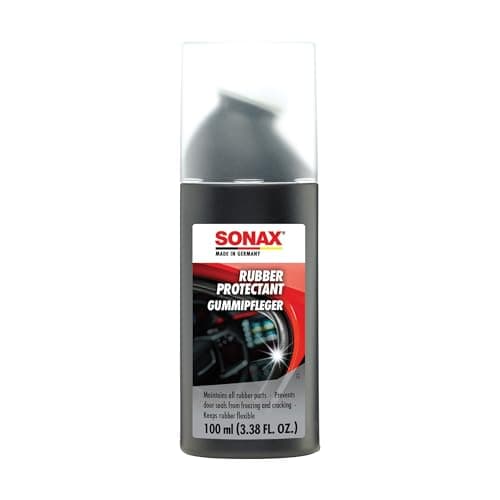
Best door seal lubricant
Silicone seal conditioners compared, and why the grease in your garage is the wrong thing to reach for.
Top pick: SONAX Rubber Protectant GummiPfleger, 100 ml
Best de-icer spray
De-icer sprays compared on published chemistry, surface safety and temperature rating - and the one that contradicts itself.
Top pick: Prestone AS244 Windshield De-Icer
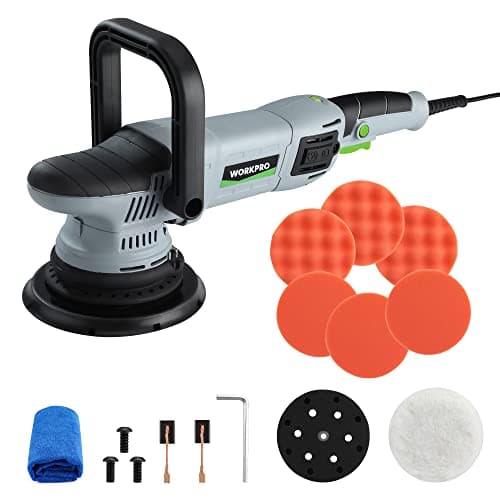
Best car polisher
Dual action polishers compared on published orbit throw, amp draw and warranty, with the wattage claims checked.
Top pick: WORKPRO 6-inch Dual Action Polisher
Prices last verified October 24, 2026. They move constantly; the figure on Amazon when you click is the real one.
Every other section of this site is about the cabin — where you sit, what you plug in, where your phone goes. This one is about the car itself: reading its fault codes, keeping its battery alive, seeing out of it at night, and protecting the paint. Different buyer, different aisle, same standard of evidence.
It exists because these products genuinely did not fit anywhere else. The Roadside section says explicitly that battery maintenance chargers are out of its scope, because a maintainer belongs to somebody storing a car or nursing a failing battery rather than to somebody stranded. That is correct, and it left a real gap. So did diagnostics, lighting, glass and paint.
A check-engine light is a number the car already knows and will not tell you without a reader. A basic OBD2 scanner turns that into a code you can look up before anyone quotes you for the work, and it is the single highest-leverage tool in this section.
The specification to read is not price, it is which systems it can see. A cheap reader handles engine codes only — an ABS or airbag light is invisible to it. The BlueDriver publishes its five supported protocols by name and states that enhanced ABS, SRS and transmission diagnostics work on 13 named brands, which is far more useful than “works on most vehicles”. The scanner page sets out where each tier stops.
A jump starter gets you moving once. A charger and maintainer stops you needing one. They solve opposite halves of the same problem and people buy the wrong one constantly.
NOCO publishes the chemistries the GENIUS5 supports by name — wet, gel, MF, CA, EFB, AGM and lithium — plus a 120 Ah capacity ceiling and an integrated thermal sensor that adjusts charging to ambient temperature. Those are three checkable figures in a category that mostly says “smart charger”.
That is not a technicality. A halogen reflector cannot focus an LED emitter correctly, and the result is light scattered into oncoming drivers rather than down the road. We cover the legal routes to a whiter, brighter beam in the headlight bulb guide — and the cheapest real improvement for most people is not a bulb at all, it is clearing a yellowed lens.
The same way as everything else here. Nothing on this site has been tested by the author, and nothing pretends to be. What each page does instead is compile what the maker publishes, name the standard where one exists — ASME PASE for jack stands, FMVSS 108 for headlamps, DOT and SAE for bulbs — and print “Not published” where a figure is absent, which costs that product points rather than being quietly filled in.
This section has an unusually high proportion of products with real third-party standards attached, which makes it one of the easier parts of the market to buy well in. The full method is on how we research.
Drop-in LED replacements for halogen housings are not compliant with FMVSS 108, and NHTSA has stated they are not recognized as legal replacements. A headlamp is certified as a complete assembly, so a bulb cannot be certified apart from its housing. Replacing the whole headlamp with a DOT-compliant LED unit is the compliant route.
Only if those lights are on. A budget reader covers engine codes and states plainly that it does not do ABS, SRS or transmission. If the light you are chasing is an airbag light, a cheap reader cannot see it at all.
A jump starter delivers a large current for a few seconds to start an engine. A charger and maintainer delivers a small current for hours to refill and hold a battery. A jump start puts almost nothing back — see how to jump start a car.