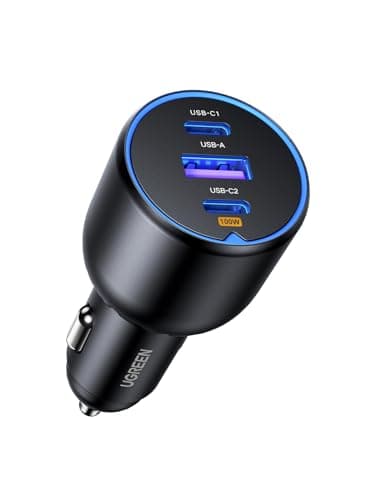
Best USB-C car charger
The best USB-C car chargers
Four chargers ranked on published per-port output tables rather than headline wattage.
Top pick: UGREEN 130W 3-Port Car Charger
Two ranked pages, a head-to-head and two guides about the socket in your dashboard. This section is about charging devices inside the car. It is not about charging an electric car, and there is a page here explaining the difference because the search results mix them constantly.
Nothing here has been tested by us. How we pick · Who writes this · How we earn
In this section
The guides are free to read and always will be. The ranked pages carry affiliate links, and the top pick's buy button is on every card so you never have to dig for it.
Best USB-C car charger
Four chargers ranked on published per-port output tables rather than headline wattage.
Top pick: UGREEN 130W 3-Port Car Charger
Best cigarette-lighter charger
12V socket chargers ranked on published input ratings, per-port output and physical size.
Top pick: UGREEN 130W 3-Port Car Charger

Head to head
Identical 67W headline, different per-port ceilings. The published tables show the whole difference.
Guide
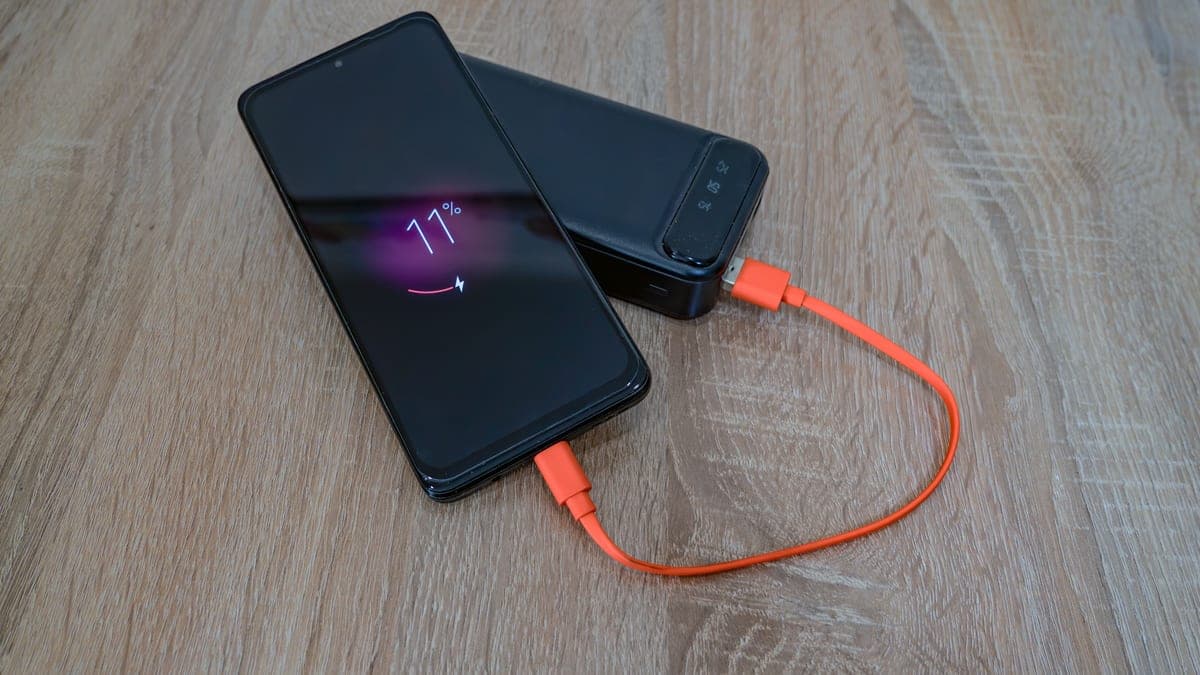
The two-minute arithmetic: what your devices accept, what the socket supplies, what to buy.

Guide
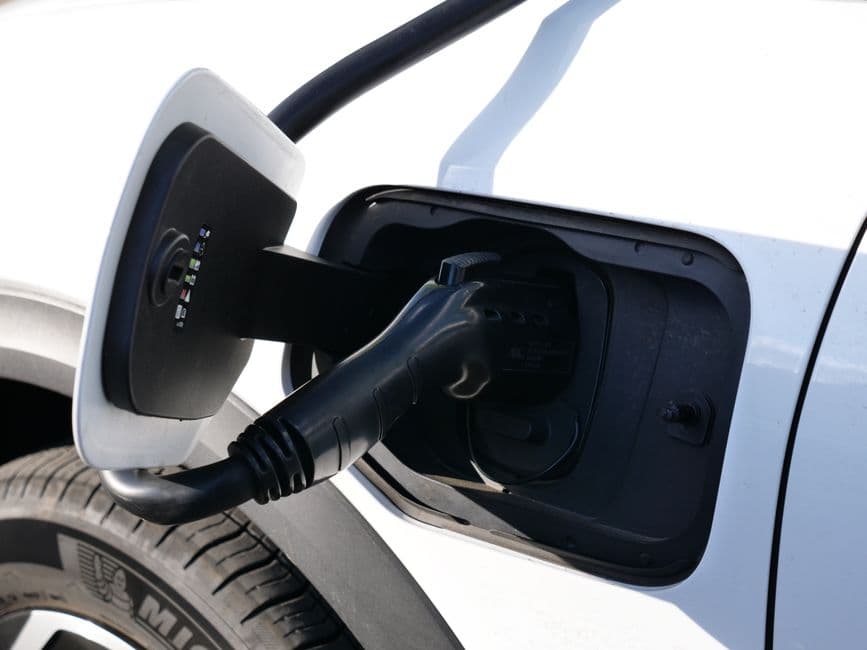
A $20 dashboard adapter and a wall unit for an electric car share a name and nothing else.
Best charging cable
Cables ranked on published wattage, bend lifespan and length. The bottleneck nobody buys for.
Top pick: UGREEN 130W 3-Port Car Charger
Best for Android
Chargers ranked on published PPS support — the specification Samsung fast charging actually needs.
Top pick: UGREEN 130W 3-Port Car Charger

Guide
What a 300W inverter really runs, why the socket fuse is the ceiling, and when to skip it.
Guide
Six causes of slow car charging, ordered by how often they are actually the problem.

Guide
The arithmetic on parasitic draw from a plugged-in charger, and how to tell if your socket stays live.
Best multi-port charger
Multi-port car chargers judged on published per-port wattage rather than the headline total.
Top pick: UGREEN 130W 3-Port Car Charger
Best travel power bank
Travel power banks judged on published watt-hours, with a clear warning about leaving lithium in a hot car.
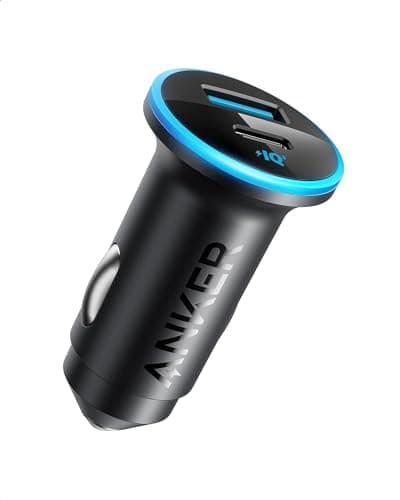
Top pick: Anker 323 Car Charger (52.5W)
Head to head
Why USB-A caps out where it does, what USB-C negotiates, and when the old port is still useful.

Guide
Three ways to charge a laptop in a car, ranked, with the socket arithmetic that limits all of them.

Guide
Three routes to USB power in an older car, from plug-in to flush-mounted, with the fuse arithmetic.
Best wireless standard explainer
What Qi2 certification guarantees that a generic magnetic charger does not, and where 15W actually lands in a car.
Best 12V splitter
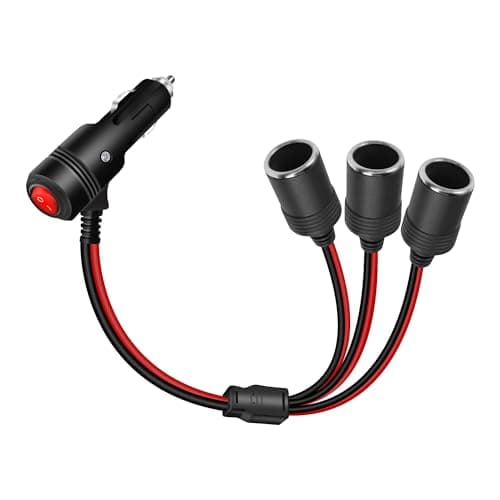
Wire gauge, inline fuses and the current arithmetic that decides whether a splitter is safe in your car.
Top pick: RIIEYOCA 3-Way 12V Socket Splitter
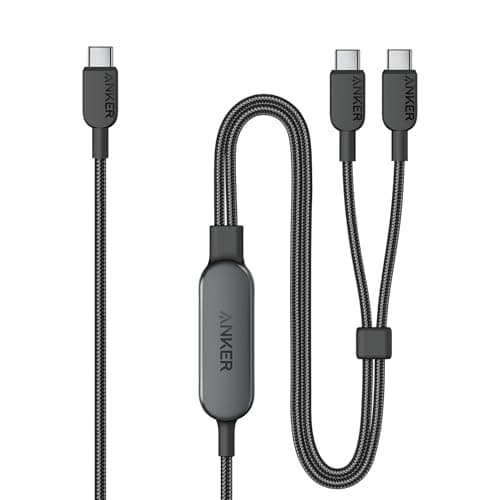
Best retractable charger
Retractable car chargers compared on published per-port output rather than headline totals, with the tethered-cable trade stated.
Top pick: Anker 765 USB-C to USB-C Cable (140W)
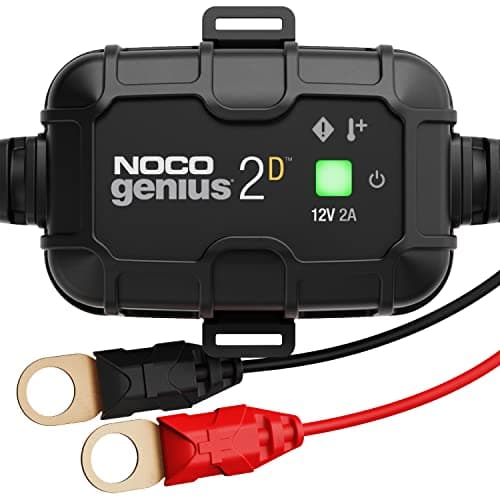
Best solar maintainer
Solar trickle chargers with the published limits read properly, and when a mains maintainer is the better buy.
Top pick: NOCO GENIUS5 Battery Charger
Single review
A two-port 52.5W charger whose published voltage table explains why the bigger ones are selling you headroom nothing in your pocket can use.
Best car charger for iPhone
Wired against Qi2 for an iPhone, the 20W input rule that catches people out, and four picks with what each maker publishes.
Top pick: Anker 323 Car Charger (52.5W)
Single review
A 130W three-port charger whose own published split table shows the 100W port keeps everything and the other two share scraps.
Prices last verified October 19, 2026. They move constantly; the figure on Amazon when you click is the real one.
The 12V socket in your dashboard is the oldest interface in the car and it is still the most useful one. It is also the accessory category where the marketing is least connected to the specification, because almost every charger is sold on one number — total wattage — and total wattage is very rarely the number that decides how fast your phone charges.
A charger advertised at 67 W might deliver all 67 from one port, or it might cap each port at 35 W and only reach 67 when three devices are plugged in. Those are very different products at very similar prices, and the difference only appears if the maker publishes a per-port table.
Anker's 335 and 535 are the clean illustration: identical port counts, identical 67W headline, and the 535 will put the whole 67W down one USB-C port at 20V and 3.35A while the 335 stops at 35W per port. For phones that gap is invisible, because nothing with a phone battery in it draws more than 35W. For a laptop it is the entire decision. The head-to-head lays out both published tables side by side.
Roughly, and these are the figures the arithmetic on the wattage page works from:
USB Power Delivery is the negotiation protocol: the phone and the charger agree a voltage and a current rather than the charger just pushing 5V at whatever it likes. PPS is an extension that lets them adjust in fine steps rather than jumping between fixed voltages, and it is what several Samsung phones need to reach their advertised fastest charging. A charger without PPS will still charge those phones, just not at the headline speed. Both chargers ranked here support both.
Your car's 12V socket is protected by a fuse, typically 10, 15 or 20 amps depending on the vehicle, and that fuse is the real ceiling on everything plugged into it. At 12 volts, a 15-amp circuit supplies about 180 W before the fuse is the constraint — which is far more than any phone charger asks for, and less than some tire inflators want. It is worth knowing before you plug a compressor into the same socket as everything else. The inflator page covers which tools need to go to the battery instead.
No power-meter measurements, because we have not made any. What we publish is the maker's own PDO table where they release one, the input rating, the protocol support and the warranty, with the source attached. Anker publishes a complete voltage-and-current table for the 535, which is unusual and is one of the reasons it is here. The method is here.
Navigation with a bright screen and an active GPS radio can draw more power than an older 5W USB port supplies. The fix is a charger that negotiates a higher voltage over USB Power Delivery, not a different cable — though a cable that cannot carry the current will also cap you, so check that second.
No. The phone requests what it wants and the charger supplies that. A 67W charger connected to a phone that caps at 27W delivers 27W. Extra headroom is only wasted money, never a risk.
No. This is 12V accessory power for phones, tablets and small devices inside any car. EV charging is a completely different product category at a completely different price, and this page explains the split.