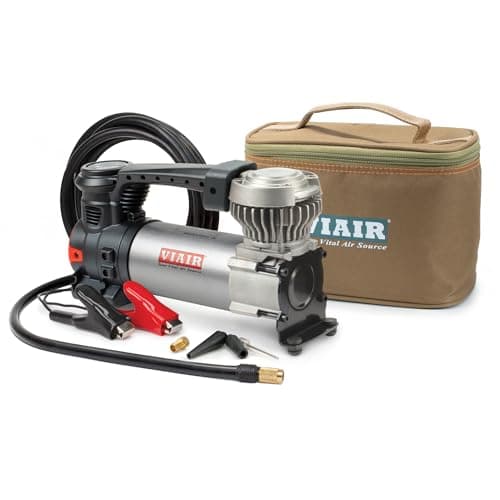
Best tire inflator
The best tire inflators for a car
Inflators ranked on published duty cycle and airflow, not the headline PSI number.
Top pick: VIAIR 88P Portable Compressor
Two ranked pages about the two things most likely to strand a commuter: a flat battery and a soft tire. Both are solvable in your own driveway with equipment that fits in the trunk.
Nothing here has been tested by us. How we pick · Who writes this · How we earn

In this section
The guides are free to read and always will be. The ranked pages carry affiliate links, and the top pick's buy button is on every card so you never have to dig for it.
Best tire inflator
Inflators ranked on published duty cycle and airflow, not the headline PSI number.
Top pick: VIAIR 88P Portable Compressor
Best jump starter
Jump starters ranked on published peak amps, capacity and engine-size ceiling.
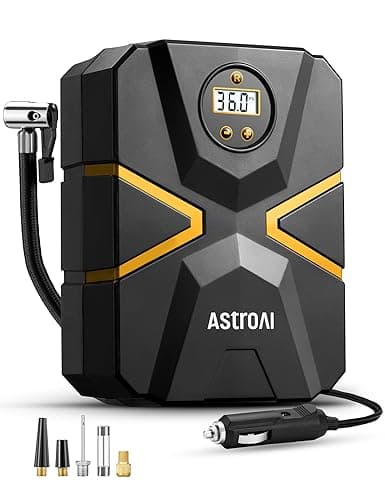
Top pick: AstroAI Portable Tire Inflator (150 PSI)
Best emergency kit
Why pre-packed kits disappoint, and the three items that actually do the work.
Top pick: AstroAI Portable Tire Inflator (150 PSI)
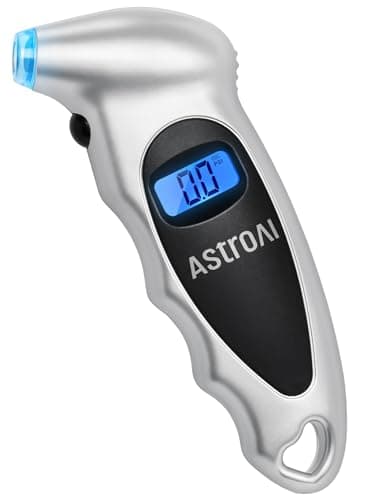
Best tire gauge
Gauges ranked on published accuracy and calibration standard. Almost nothing else publishes either.
Top pick: AstroAI Digital Tire Gauge (150 PSI)

Best car flashlight
Lights ranked on published lumens, runtime and ingress rating, for the trunk rather than the pocket.
Top pick: Anker Bolder LC90 Flashlight

Guide
Three things cold does to a car, the cheap answer to each, and the October checklist.
Guide
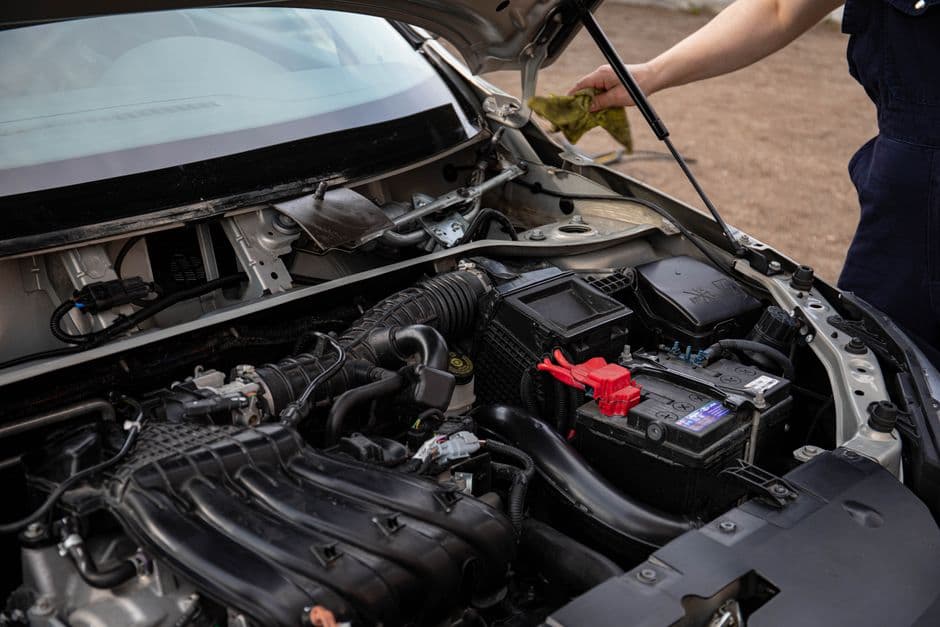
The correct connection order for cables and jump packs, and the cases where you should not jump start at all.
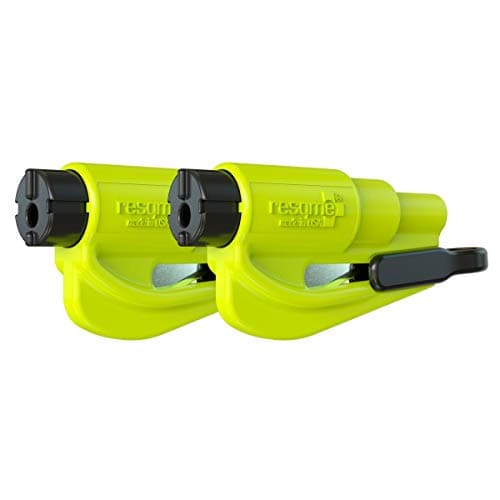
Best escape tool
Escape tools compared on certification and reach, with the laminated glass problem stated up front.
Top pick: resqme Car Escape Tool
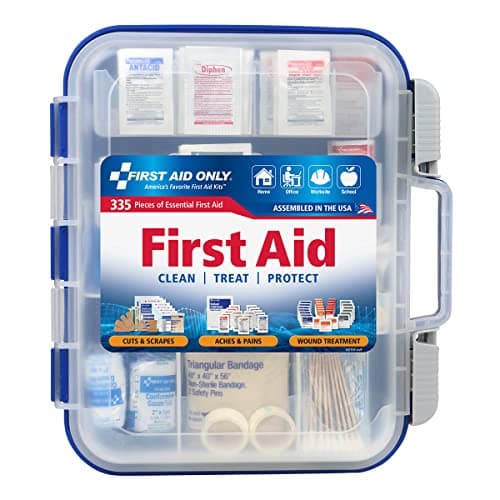
Best car first aid kit
First aid kits judged on published standards rather than piece count, plus the expiry problem.
Top pick: First Aid Only 335-Piece OSHA Kit
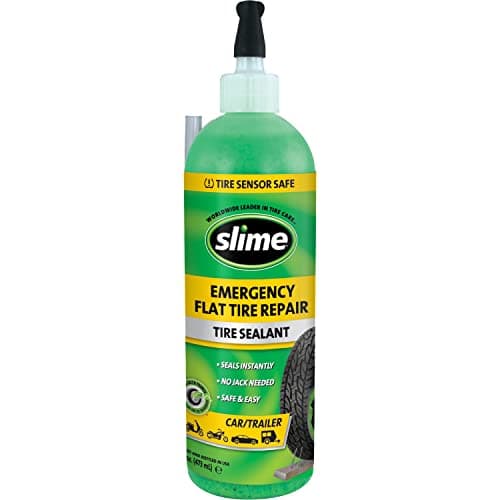
Best tire repair kit
Tire sealant and plug kits compared on published limits, with the sidewall rule that governs both.
Top pick: Slime Emergency Tire Sealant
Best car extinguisher
Car fire extinguishers judged on UL rating and published standards, including the heat ceiling problem.
Top pick: First Aid Only 335-Piece OSHA Kit
Best warning device
Warning triangles and LED flares compared against FMVSS 571.125, with placement guidance.
Top pick: First Aid Only 335-Piece OSHA Kit
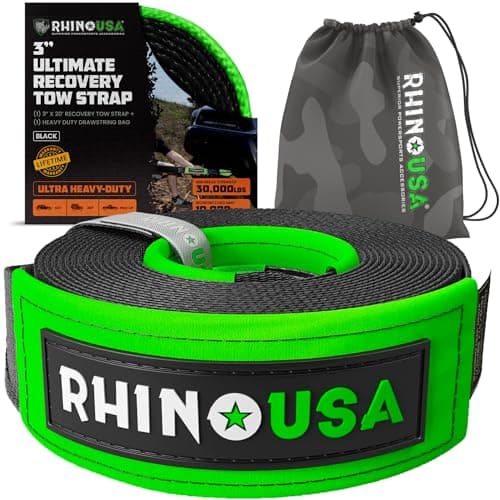
Best recovery strap
Recovery straps judged on published break strength, with a clear account of when not to use one.
Top pick: Rhino USA Recovery Tow Strap (3 in x 20 ft)
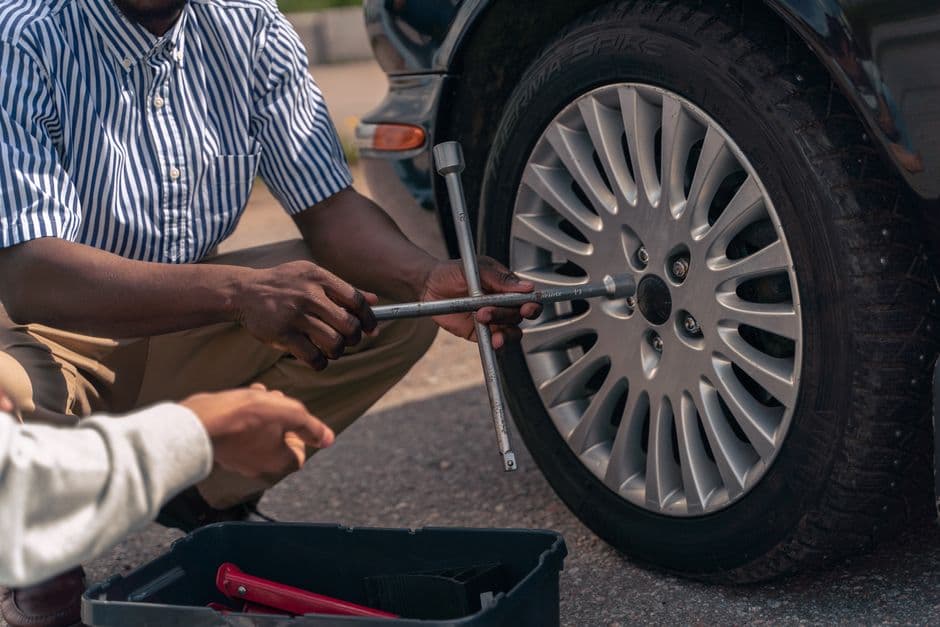
Guide
A complete tire change sequence, including where not to place the jack and the space-saver limits.

Guide
A sequence for the first minutes of a breakdown, built around the actual risk rather than the mechanical problem.
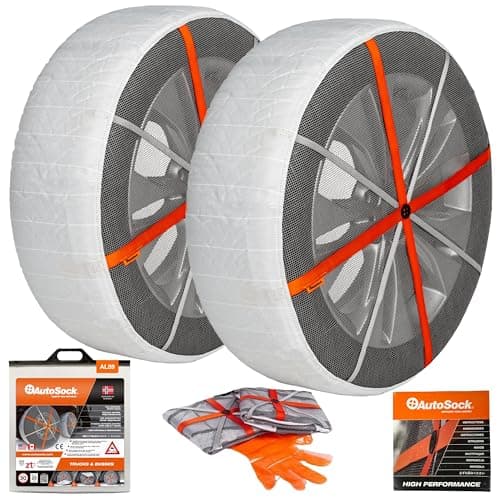
Best traction device
Snow socks against chains on clearance, fitting time and legal acceptance, with the speed ceiling both share.
Top pick: AutoSock Textile Snow Socks

Best car tracker
Bluetooth tags against true GPS trackers, with the coverage limits and the consent question.
Top pick: Apple AirTag
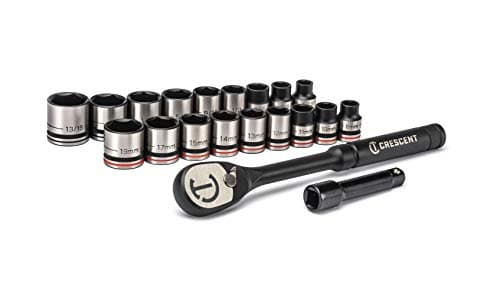
Best tool kit
Why piece counts mislead, which makers cite ANSI and ASME, and the short list that actually lives in a car.
Top pick: Crescent Mechanics Tool Set
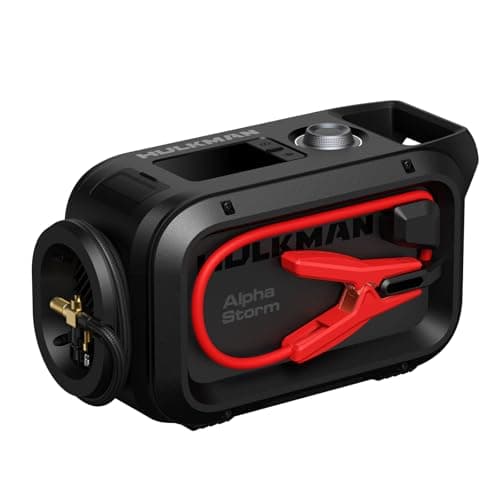
Best combo unit
Combined jump packs and compressors compared on watt-hours, airflow and duty cycle rather than on unverifiable peak amps.
Top pick: HULKMAN Alpha Storm Jump Starter with Air Compressor
Best recovery boards
Recovery boards compared on material and named testing rather than printed load figures, with the technique that wrecks them.
Top pick: AutoSock Textile Snow Socks
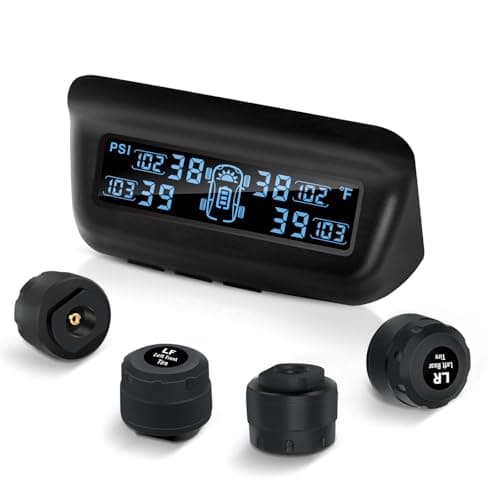
Best aftermarket TPMS
Four aftermarket tire pressure monitors compared on published accuracy, pressure range and how they are powered.
Top pick: Masoll M13 Tire Pressure Monitoring System
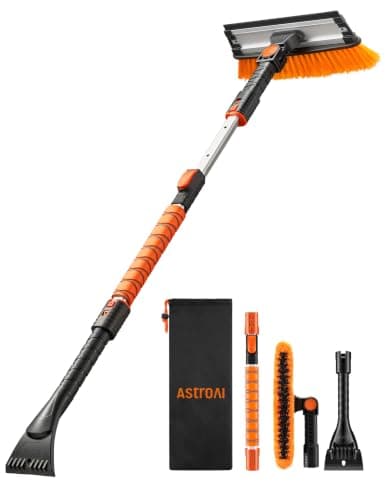
Best snow brush and scraper
Four extendable snow brushes compared on published reach, head width and whether the scraper detaches.
Top pick: AstroAI 46 in Extendable 3-in-1 Snow Brush & Ice Scraper
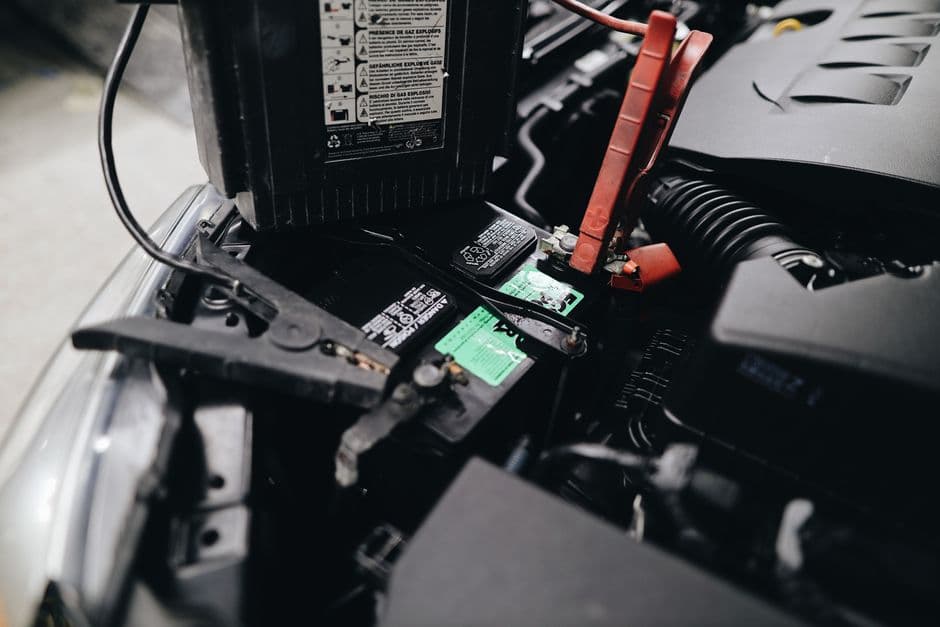
Head to head
Why stored watt-hours do not start engines, what each device is actually for, and when a combined purchase makes sense.

Head to head
Treating people against recovering a vehicle, why piece count misleads in both categories, and what a published standard tells you.
Single review
The accuracy figure AstroAI still publishes, the calibration standard that has left every US source, and the four specs that disagree.
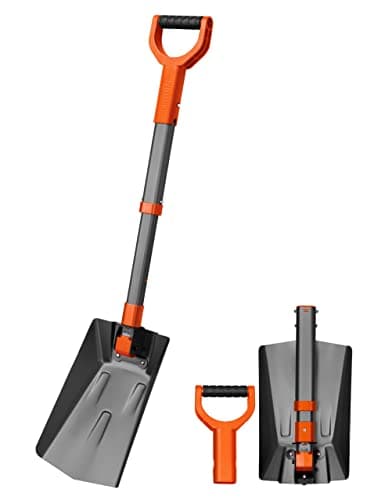
Best car snow shovel
Folding trunk shovels ranked on extended length and blade material, with what actually gets a car unstuck.
Top pick: AstroAI 38.4 in Folding Extendable Snow Shovel
Head to head
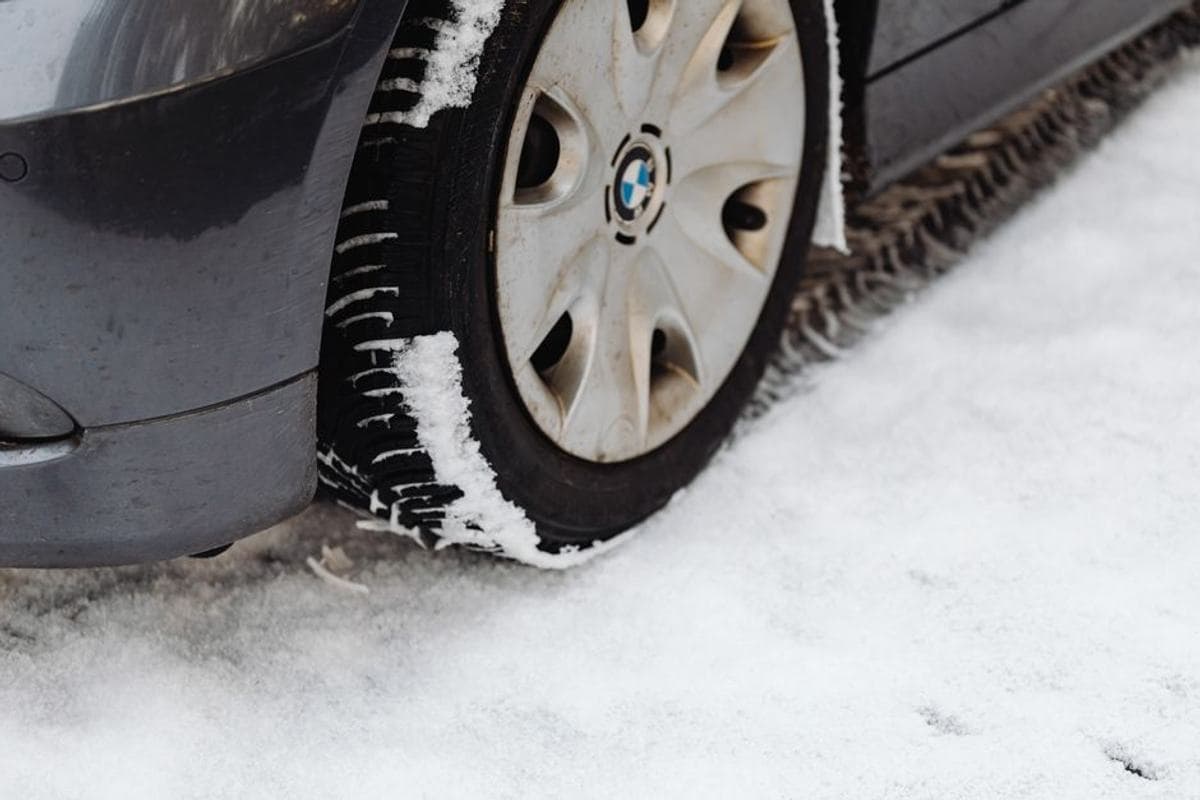
Textile socks against cable chains on grip, fitting, legality and clearance — and which suits your car.
Best emergency car blanket
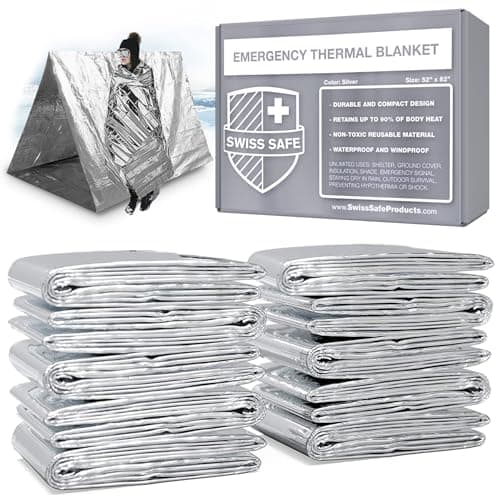
Mylar sheets against a real wool blanket, with an honest account of what each one does in a cold car.
Top pick: Swiss Safe Emergency Blanket, 10 Pack
Best for cold weather
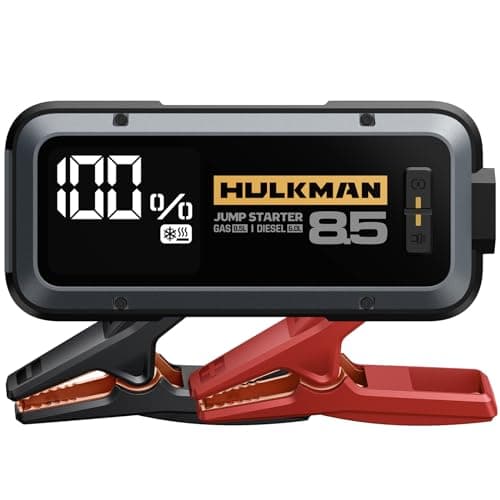
Jump starters ranked on published cold ratings rather than peak amps, including the one that warns against winter use.
Top pick: Hulkman Alpha 85S
Best tread depth gauge
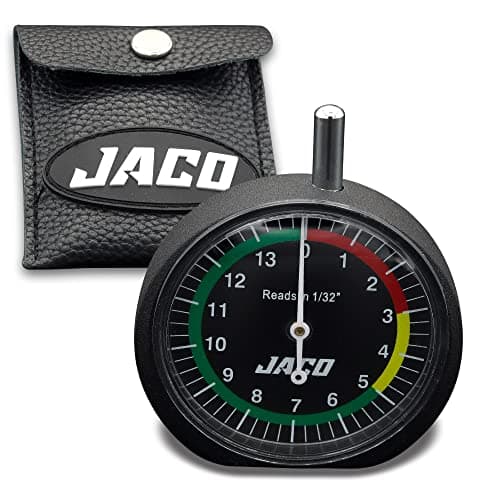
Tread gauges compared on published accuracy, and why two gauges from one brand mark the red zone differently.
Top pick: JACO TreadPro Dial Tread Depth Gauge

Best trunk organizer
Collapsible against hard-sided, ranked on published dimensions and load rating.
Top pick: DRIVE Auto Products Trunk Organizer
Prices last verified October 19, 2026. They move constantly; the figure on Amazon when you click is the real one.
Two failures account for most of the mornings a commuter does not leave on time: the car will not start, and a tire is soft. Both are entirely fixable by one person in a driveway with equipment that costs less than a single tow, and both are worth solving before they happen rather than after.
This section ships shallow on purpose and grows from here. Battery maintenance chargers are deliberately out of scope — those belong to somebody storing a car or nursing a failing battery, which is a different problem and a different buyer.
A lithium jump starter is the accessory whose entire value is that you no longer need another car, another person, or the willingness to ask. The NOCO GB40 publishes 1,000 peak amps out of a 24 Wh pack that weighs 2.4 pounds and fits in a glovebox, rated for gasoline engines to 6.0 liters and diesel to 3.0.
The catch is that it is a lithium battery, and lithium batteries self-discharge. A jump starter that has sat in a hot trunk for eighteen months is a brick on the morning you need it. Charge it when the clocks change, twice a year, and it works. The jump starter page covers the published numbers and which engine sizes need the bigger model.
The specification that separates a topping-up tool from a tire-filling one is the duty cycle, and it is published often enough to be useful:
Most commuters want the first one. It lives in the trunk, plugs into the socket, and does the job you actually have, which is checking four tires on a Sunday. The inflator page ranks both and is direct about who each one is for.
Beyond the two above, a short and unglamorous list: a proper tire pressure gauge (the one on a gas-station pump is not to be trusted), a flashlight that is not your phone, a reflective triangle or vest, and gloves. None of them are exciting and each is worth more than its price on the one occasion it matters. A trunk organizer is what stops all of it migrating to the back corner.
We have not jump-started a car with these, and we have not timed an inflator. What we publish is the maker's own peak amps, watt-hours, airflow, amp draw and duty cycle, with the source attached — and in this category the makers are unusually good about publishing them, which is a nice change. The method is here.
Twice a year is a reasonable rule for something that lives in a car and does nothing. Lithium packs self-discharge, and heat accelerates it, so a jump starter that has spent a summer in a trunk should be checked before winter.
Not comfortably. A 15-minute duty cycle gets you part-way and then wants ten minutes of cooling. Socket inflators are topping-up tools; if you need to fill from flat regularly, that is what the battery-clamped compressors are for.
The ones worth buying publish spark-proof and reverse-polarity protection, which is what makes connecting them in the dark forgiving. Follow the maker's sequence, and check the published engine-size ceiling matches your car.