Snow socks vs tire chains
One of these grips better on ice. The other is the one you will actually put on at the roadside in the dark, which for most drivers is the specification that decides it.
By Sawyer V. · Published · How we research
We have not tested any of this. Everything below is compiled from published manufacturer specifications, and the arithmetic is printed so you can check it. This page carries affiliate links: if you buy through one we earn a commission at no extra cost to you, and it does not change the order of the picks. Full disclosure.
The verdict
Buy snow socks if you might need traction a few times a winter and will be fitting them yourself at the roadside. Buy chains if you cross a pass where they are required, or if your winter means sheet ice rather than snow. Chains grip better — that is not in dispute. Socks get fitted in two minutes with cold hands and no tools, and a traction device you dread putting on is one that stays in the trunk. Prices as of October 11, 2026.
Check two things before buying either: your owner's manual, because many modern cars have too little clearance behind the strut for traditional chains and say so explicitly, and your tire size, because both are sold by exact size code and neither is universal.
| # | Pick | Install | Score | Price |
|---|---|---|---|---|
| 1 | AutoSock HP697 for Passenger Vehicles Traction you can fit in the dark without kneeling in slush | Drops in | 7.8/10 | $120.95 - view on Amazon |
| 2 | SCC SZ343 Shur Grip Super Z Tire Chain Real chain bite in a low-clearance car | Drops in | 8.5/10 | $76.18 - view on Amazon |
| 3 | SCC SZ137 Super Z6 Cable Tire Chain The cheapest way into real chains | Drops in | 8.5/10 | $61.53 - view on Amazon |
Prices last verified October 11, 2026. They move constantly; the figure on Amazon when you click is the real one.
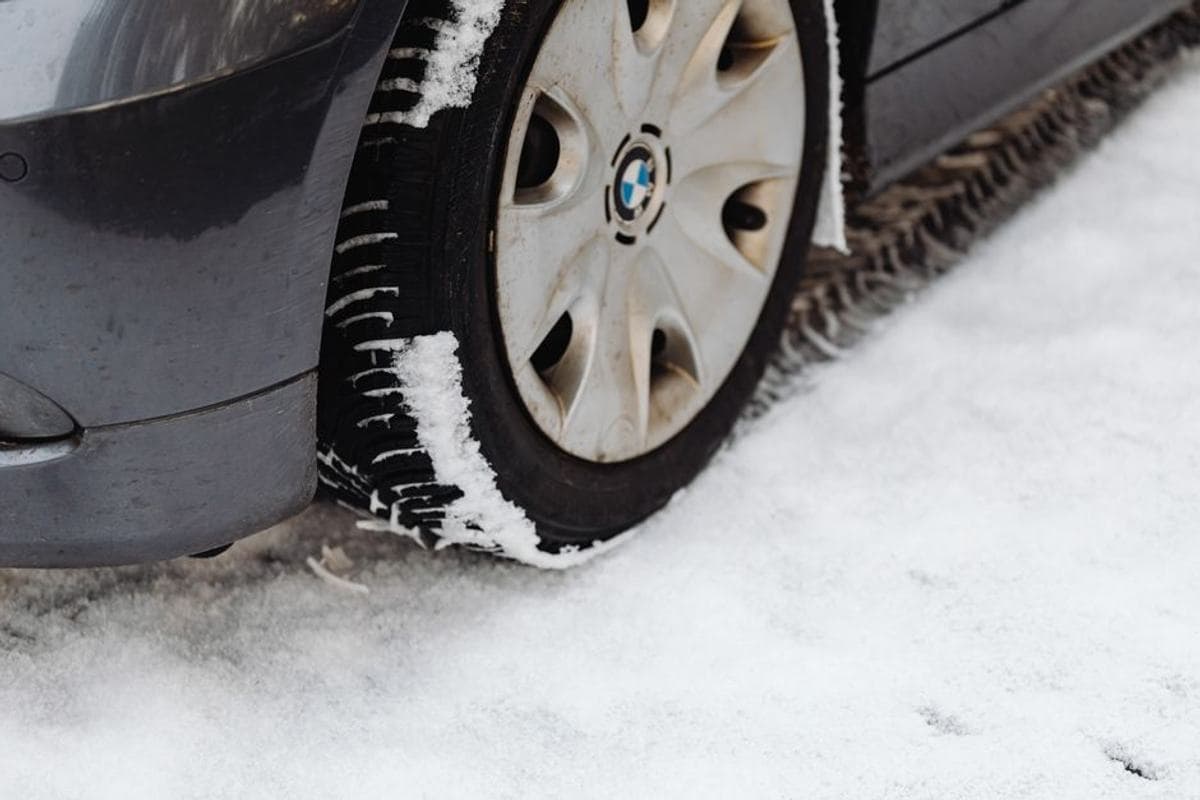
The trade, in one table
| Snow socks | Tire chains | |
|---|---|---|
| Grip on packed snow | Good | Very good |
| Grip on sheet ice | Fair | Best available |
| Fitting time, cold hands | A couple of minutes | Longer, and re-tension after |
| Tools needed | None | None, but you will be kneeling |
| Risk to wheels and arches | Low — it is fabric | Real if one comes loose |
| Wear on bare pavement | Fast — snow only | Slow, but still avoid it |
| Noise and ride | Near normal | Loud, limited to low speed |
| Typical price, one axle | About $121 | About $62 to $76 |
Read the fitting row as the important one. Every other line favors chains or is a wash, and chains are cheaper. The reason socks exist, and the reason they are the right answer for most drivers, is that the moment you need traction is the worst possible moment to be learning to tension a chain.
What a snow sock actually is
A textile cover that pulls over the tire like a sock. The fabric wicks the thin film of meltwater that forms between a tire and packed snow, which is the film that causes the slipping, and the weave grips the snow directly.
- You pull it over the top of the tire, drive forward half a turn, and pull the rest over. No tensioning, no tools, no crawling
- It cannot damage a wheel. It is fabric. A chain that comes loose at speed can destroy an arch liner, a brake line or a wheel
- It is quiet and rides almost normally, which matters if you have miles to cover rather than one hill to climb
- It wears out fast on bare road. This is snow-only equipment and the fabric abrades quickly on pavement
What a chain does better
Metal bites into ice in a way fabric cannot. On a glazed, rutted surface — the one that forms after a thaw and refreeze — a chain is the only one of the two that reliably gets a car moving.
Modern passenger cars complicate it. The space between the tire and the strut on a front-wheel drive compact is often very small, and a traditional ladder chain can contact suspension components at full lock. That is why the low-clearance patterns exist, and why your owner's manual may prohibit chains entirely or specify a maximum link thickness.
- Check the manual first. Some cars say no chains on the driven axle at all. Fitting them anyway is an expensive way to learn why
- Buy the low-clearance pattern if chains are allowed but space is tight — that is what the Super Z designs are for
- Fit them before you need them. Practice once in a dry driveway. Nobody reads an instruction sheet well in a blizzard
- Re-tension after a short distance, then keep to the speed limit printed on the packaging. This is the step that prevents the damage above
Which one suits your winter
- Snow socks, if you get a handful of snow days, you park on a street rather than in a garage, you drive a modern low-clearance car, and the realistic scenario is getting off your own road and onto a plowed one. This is most drivers in most of the country
- Cable chains, if you regularly cross a route with a posted chain requirement, your winter includes real ice rather than snow, or you want maximum traction and accept the fitting penalty. Also the cheaper option, which matters if it lives unused in the trunk for years
- Neither, if you can fit proper winter tires. Four winter tires beat any traction device on any surface, are always fitted when you need them, and need no decision at the roadside. They are a bigger purchase and out of this site's usual price band, but they are the honest best answer and it would be wrong not to say so
Both are sized, and neither is universal
This is the most common buying mistake in the category. Snow socks and chains are both sold against specific tire size codes, and the product that fits your sedan will not fit the SUV on the same driveway.
Your tire size is on the sidewall in the form 225/45R17. Match it to the maker's fitment chart before ordering. A set one size out either binds against the suspension or will not stay on, and both failure modes happen at the worst time.
The rest of getting unstuck
Traction devices work when you can get them onto a tire that still has somewhere to go. If the car is already buried, you dig first.
A folding shovel clears a ramp ahead of the drive wheels and clears the tailpipe, which matters before you run the engine for heat. Traction boards are the other answer to the same problem and need no fitment chart. And if the wait turns long, an emergency blanket is the cheapest insurance in the trunk.
The whole winter list is in what to keep in your car in winter, and the combined product roundup is best snow socks and tire chains.
Every pick, with the working
Each entry lists the specifications the maker publishes, the axis scores those specifications produce, and what you give up. Rows that read “Not published” are not omissions on our side: they are things the maker will not commit to in writing, and they cost the product points on the transparency axis. Specifications compiled September 4, 2026.
Our pickTraction you can fit in the dark without kneeling in slush
AutoSock HP697 for Passenger Vehicles
A textile cover that pulls over the tire like a sock. It is slower than a chain on sheet ice and it is enormously easier to fit, which in practice is the specification that matters: a traction device you can get on in two minutes with cold hands is one you will actually use, and a chain set you dread is one that stays in the trunk. AutoSock is the brand that created the category.
- Type
- Textile snow sock
- Pack
- 2 socks, one axle
- Vehicle class
- Passenger vehicles
- Fitment
- Sized to tire — HP697 is one size code
- Tools needed
- None
- Rated speed
- Not published
- Warranty
- Not published
List price $120.95 per Amazon listing, October 11, 2026, captured on the compile date below. Not a live price and not what you will pay — the button is where the real number is.
What it gets right
- Fits in a couple of minutes with no tensioning, no tools and no crawling under the car
- Fabric, so it cannot scratch an alloy wheel or damage a wheel arch if it comes loose
- Much quieter and smoother than chains at low speed
- Accepted in many places that restrict chains, and compact enough to live in the trunk
Flaws
- Wears out on bare pavement in a way chains do not — this is snow-only equipment
- Less bite than a chain on deep ruts or sheet ice
- Costs roughly twice a basic cable chain set
- Must be sized to your exact tire; HP697 does not fit every car
The working behind the 7.8
- Heat headroom: not scored (weight 22%)
- The maker publishes no operating-temperature ceiling, so this axis is dropped and the other weights are re-normalized.
- Install effort: 10.0 (weight 24%)
- Drops in and sits there. No fixing of any kind, and it comes out again when you sell the car.
- Price against the ceiling: 6.0 (weight 24%)
- Listed at $120.95 on the compile date. This site's buyer has a practical ceiling around $150 for a single upgrade, so the scale rewards everything under $100 and falls away sharply past $150. The live price is very often different, and that is what the button is for.
- Written commitment: not scored (weight 15%)
- No warranty term published, so this axis is dropped and the other weights are re-normalized.
- Spec transparency: 7.1 (weight 15%)
- 5 of the 7 specifications we went looking for are published by the maker (71%). A blank row is never a guess here: it prints “Not published” and it costs the product points, because a figure nobody will commit to in writing is a figure you cannot check.
Axes with no published input are dropped and the remaining weights re-normalized, so a product is not punished for a category where an axis does not apply. Specifications compiled September 4, 2026 from the AutoSock HP697 passenger-vehicle listing.
2Real chain bite in a low-clearance car
SCC SZ343 Shur Grip Super Z Tire Chain
A cable-style chain from Security Chain Company, the long-standing name in the category, designed for the limited clearance modern cars have behind the strut. The Super Z pattern is the one to buy if your car's manual says chains are permitted but clearance is tight — a traditional ladder chain on a modern compact can contact the strut and destroy it.
- Type
- Cable tire traction chain
- Pack
- Set of 2, one axle
- Vehicle class
- Passenger car
- Clearance
- Low-clearance Super Z design
- Fitment
- Sized to tire — SZ343 is one size code
- Rated speed
- Not published
- Warranty
- Not published
List price $76.18 per Amazon listing, October 11, 2026, captured on the compile date below. Not a live price and not what you will pay — the button is where the real number is.
What it gets right
- Low-clearance design, which is what most modern passenger cars require
- Security Chain Company is the established name in US traction chains
- Real metal bite on sheet ice, which a textile sock cannot match
- Cheaper than the AutoSock pair
Flaws
- Fitting means handling cold metal cable, usually in bad weather
- Must be checked and re-tensioned after a short distance
- Will damage a wheel or arch if it comes loose at speed
- Chains are banned or restricted on some roads where socks are allowed
The working behind the 8.5
- Heat headroom: not scored (weight 22%)
- The maker publishes no operating-temperature ceiling, so this axis is dropped and the other weights are re-normalized.
- Install effort: 10.0 (weight 24%)
- Drops in and sits there. No fixing of any kind, and it comes out again when you sell the car.
- Price against the ceiling: 8.0 (weight 24%)
- Listed at $76.18 on the compile date. This site's buyer has a practical ceiling around $150 for a single upgrade, so the scale rewards everything under $100 and falls away sharply past $150. The live price is very often different, and that is what the button is for.
- Written commitment: not scored (weight 15%)
- No warranty term published, so this axis is dropped and the other weights are re-normalized.
- Spec transparency: 7.1 (weight 15%)
- 5 of the 7 specifications we went looking for are published by the maker (71%). A blank row is never a guess here: it prints “Not published” and it costs the product points, because a figure nobody will commit to in writing is a figure you cannot check.
Axes with no published input are dropped and the remaining weights re-normalized, so a product is not punished for a category where an axis does not apply. Specifications compiled September 4, 2026 from the SCC SZ343 Shur Grip Super Z listing.
3The cheapest way into real chains
SCC SZ137 Super Z6 Cable Tire Chain
The Super Z6 cable chain, rated by SCC for passenger cars, pickups and SUVs, and the cheapest traction device in this comparison. Cable chains are gentler on a car than link chains and easier to handle, at the cost of some bite. For a driver who crosses one mountain pass a year and wants to satisfy a chain requirement, this is the sensible purchase.
- Type
- Cable tire chain
- Pack
- Set of 2, one axle
- Vehicle class
- Passenger cars, pickups, SUVs
- Fitment
- Sized to tire — SZ137 is one size code
- Rated speed
- Not published
- Warranty
- Not published
List price $61.53 per Amazon listing, October 11, 2026, captured on the compile date below. Not a live price and not what you will pay — the button is where the real number is.
What it gets right
- Cheapest traction device here, at roughly half the AutoSock price
- Rated for cars, pickups and SUVs, so one set may cover two vehicles
- Cable construction is easier to handle and kinder to bodywork than link chain
Flaws
- Cable chains wear faster than link chains and have less bite
- Same cold, awkward fitting as any chain
- Must be sized to the tire — SZ137 is one specific size code
- No published speed rating on the listing we checked
The working behind the 8.5
- Heat headroom: not scored (weight 22%)
- The maker publishes no operating-temperature ceiling, so this axis is dropped and the other weights are re-normalized.
- Install effort: 10.0 (weight 24%)
- Drops in and sits there. No fixing of any kind, and it comes out again when you sell the car.
- Price against the ceiling: 8.0 (weight 24%)
- Listed at $61.53 on the compile date. This site's buyer has a practical ceiling around $150 for a single upgrade, so the scale rewards everything under $100 and falls away sharply past $150. The live price is very often different, and that is what the button is for.
- Written commitment: not scored (weight 15%)
- No warranty term published, so this axis is dropped and the other weights are re-normalized.
- Spec transparency: 6.7 (weight 15%)
- 4 of the 6 specifications we went looking for are published by the maker (67%). A blank row is never a guess here: it prints “Not published” and it costs the product points, because a figure nobody will commit to in writing is a figure you cannot check.
Axes with no published input are dropped and the remaining weights re-normalized, so a product is not punished for a category where an axis does not apply. Specifications compiled September 4, 2026 from the SCC SZ137 Super Z6 listing.
Prices last verified October 11, 2026. They move constantly; the figure on Amazon when you click is the real one.
Questions people actually ask
Are snow socks as good as chains?
Not on sheet ice — chains bite harder and nothing fabric matches metal there. On packed snow the gap is much smaller, and socks win decisively on fitting: a couple of minutes with no tools against a longer job that needs re-tensioning. For most drivers the device they will actually fit is the one that helps.
Do snow socks satisfy a chain requirement?
Sometimes, and it varies by state and sometimes by the individual control point. Some jurisdictions accept approved alternative traction devices; others require metal chains. If you are buying specifically for a posted requirement on a known route, check that state's current rule rather than relying on a product listing.
Can I use tire chains on any car?
No. Many modern cars have very little clearance between the tire and the strut, and some owner's manuals prohibit chains on the driven axle outright or limit link thickness. Check the manual first, and if chains are permitted but space is tight, buy a low-clearance pattern such as the Super Z designs.
How long do snow socks last?
They are snow-only equipment and the fabric abrades quickly on bare pavement, so longevity depends almost entirely on how much clear road you drive on them. Fit them where the snow starts and take them off where it stops. Used that way a set lasts several seasons of occasional use.
Do I need traction devices on all four wheels?
Both products here are sold as a pair for one axle, and the driven axle is the one that needs them. Check your manual: on an all-wheel-drive car the maker may specify which axle to fit, and fitting only one axle on some systems is explicitly advised against.