The best fuel additives and injector cleaners
A category where nobody publishes a measured outcome. Two makers do publish something useful — the chemistry and the dosing — which is what this page ranks on.
By Sawyer V. · Published · How we research
We have not tested any of this. Everything below is compiled from published manufacturer specifications, and the arithmetic is printed so you can check it. This page carries affiliate links: if you buy through one we earn a commission at no extra cost to you, and it does not change the order of the picks. Full disclosure.
The short answer
Nobody in this category publishes a measured result, so buy on what is published. Chevron names its active chemistry — polyether amine, PEA — and states a usage interval of each season or before an oil change. Sea Foam publishes exact dosing: 1 oz per quart of crankcase oil, added 100 to 300 drive miles before an oil change. Neither publishes a deposit-removal figure from a named test, and no additive fixes a mechanical fault.
| # | Pick | Install | Score | Price |
|---|---|---|---|---|
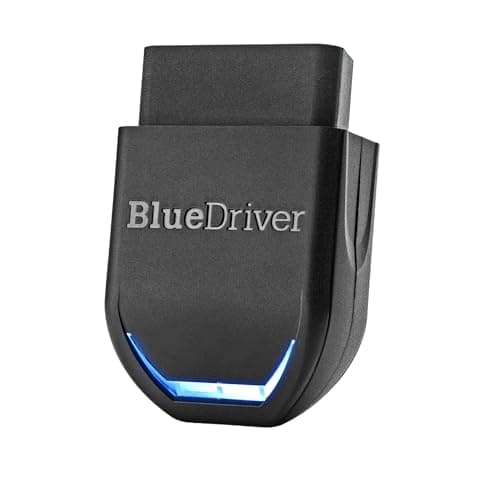
| 1 | BlueDriver Pro OBD2 Scanner Reading more than the engine light | Plugs in | 9.0/10 | $94.94 - view on Amazon |
| 2 | Sea Foam Motor Treatment Published dosing you can actually follow | Drops in | 8.9/10 | $25.49 - view on Amazon |
| 3 | Chevron Techron Concentrate Plus Naming the chemistry rather than the effect | Drops in | 8.1/10 | $15.99 - view on Amazon |
Prices last verified October 26, 2026. They move constantly; the figure on Amazon when you click is the real one.
What is published, and what is not
This category is unusually full of claims and unusually empty of figures. Nothing here publishes a percentage of deposits removed, a before-and-after measurement, or a named test standard.
What two of them do publish is worth something.
| Techron Concentrate Plus | Sea Foam Motor Treatment | |
|---|---|---|
| Active chemistry named | Polyether amine (PEA) | Petroleum-based |
| Concentration stated | Up to 10x pump-fuel Techron | Not published |
| Dosing published | Per full tank | 1 oz per quart of oil; 1 oz per gallon fuel |
| Timing published | Each season, or before an oil change | 100-300 miles before an oil change |
| Coverage published | Not published | 16 oz treats up to 16 quarts of oil |
| Test result published | Not published | Not published |
Naming PEA matters because it is a specific detergent class rather than a description of an outcome. "Cleans your fuel system" is a claim; "polyether amine" is a thing you can look up.
Sea Foam's contribution is different and equally useful: dosing precise enough to follow. 1 ounce per quart of oil, 100 to 300 drive miles before changing it, 1 ounce per gallon for fuel storage. Most of this category says "add to a full tank".
The Sea Foam instruction people ignore
Sea Foam can be added to engine oil as well as fuel, and the published instruction around that is not optional advice — it is the whole safety envelope.
If the oil is old enough to have deposits worth liquefying, the oil is old enough to change. That is the honest framing.
What an additive cannot do
This is the section that matters most, because this category is bought overwhelmingly by people hoping to avoid a garage bill.
- It cannot fix a misfire. A misfire is a spark, compression or fuel delivery fault. Ignition coils, plugs and injectors fail mechanically and electrically, and detergent does not address any of it
- It cannot clear a check engine light whose cause is a failed sensor, a leaking gasket or an evaporative emissions fault — which is most of them
- It cannot restore compression lost to worn rings or valve seats
- It cannot clean direct-injection intake valves. On a direct-injection engine, fuel is sprayed into the cylinder and never touches the intake valves — so a fuel additive physically cannot reach the deposits people buy it for
- It cannot replace an air filter, a cabin filter or an oil change
That fourth point is the one worth repeating, because direct injection is now common and the intake-valve deposit problem is real. A fuel-borne detergent cannot travel to a surface fuel never reaches.
Diagnose before you dose
If a warning light is what prompted this purchase, a code reader is the first thing to buy and it is cheaper than several bottles.
- Read the code. Every US-market car built since 1996 has an OBD2 port under the dash — best OBD2 scanners
- Read what the code actually says. A specific cylinder misfire, an oxygen sensor, an evaporative leak and a fuel trim fault are four different problems
- Address the cause. If it is genuinely deposits, an additive is reasonable. If it is a sensor, buy the sensor
- Check the simple things first. A loose fuel cap triggers evaporative codes and costs nothing to fix
If the underlying complaint is a battery or charging problem rather than a fuel one, that is a different tool again — best car battery testers.
When an additive is actually reasonable
Three situations where it is a sensible purchase rather than a hopeful one.
- A high-mileage port-injection engine that has run on cheap fuel, where intake valve deposits are plausible and fuel reaches the valves
- A car going into storage. Fuel stabilizer genuinely prevents gum and varnish forming in a tank that sits — Sea Foam publishes 1 oz per gallon for this
- Seasonal maintenance on an older car alongside an oil change, as Chevron's published interval suggests
And the counterweight: if you already run Top Tier fuel, your fuel contains detergent by specification. The incremental benefit of adding more is not something any maker here has published a figure for.
The rest of the maintenance an older car actually rewards is in best car accessories for older cars, and the filter that genuinely does affect how an engine breathes is in best engine air filters.
Every pick, with the working
Each entry lists the specifications the maker publishes, the axis scores those specifications produce, and what you give up. Rows that read “Not published” are not omissions on our side: they are things the maker will not commit to in writing, and they cost the product points on the transparency axis. Specifications compiled September 4, 2026.
Our pickReading more than the engine light
BlueDriver Pro OBD2 Scanner
Skip this one. Not an additive, and the thing to buy instead if a warning light is what brought you here. An additive cannot diagnose anything. A code reader turns 'check engine' into a specific fault before you spend money guessing — and a misfire code, a sensor code and a genuine fuel delivery fault all look identical from the driver's seat and none of them is fixed by a bottle.
Publishes its five supported protocols by name and states plainly that enhanced ABS, SRS and transmission diagnostics work on 13 named brands rather than implying they work everywhere. No subscription, which in this category is genuinely unusual.
- Protocols
- ISO15765-4 (CAN), ISO14230-4 (KWP2000), ISO9141-2, J1850 VPW, J1850 PWM
- Vehicle coverage
- 1996+ North American cars, SUVs and light trucks
- Enhanced diagnostics
- ABS, SRS, transmission on 13 named brands
- Connection
- Bluetooth to iOS or Android
- Subscription
- None
- Screen
- None — uses your phone
- Warranty
- Not published
- List price
- Not published
What it gets right
- Publishes the actual protocols: ISO15765-4 CAN, ISO14230-4 KWP2000, ISO9141-2, J1850 VPW and J1850 PWM
- Enhanced ABS, SRS and transmission codes on 13 named brands — and it names them rather than saying 'most vehicles'
- No subscription and no cables; it is a Bluetooth dongle plus a free app
- Works on 1996 and newer North American cars, SUVs and light trucks
Flaws
- Enhanced diagnostics are brand-limited. Outside those 13 makes you get generic OBD2, which a $25 reader also gives you
- It has no screen of its own, so a flat phone is a scanner you cannot use
- Manufacturing origin is not published
- No published warranty term
The working behind the 9.0
- Heat headroom: not scored (weight 22%)
- The maker publishes no operating-temperature ceiling, so this axis is dropped and the other weights are re-normalized.
- Install effort: 10.0 (weight 24%)
- Plugs into a 12V socket or a USB port. Nothing to mount, nothing to route, reversible in a second.
- Price against the ceiling: not scored (weight 24%)
- No published list price we could cite on the compile date, so this axis is dropped and the other weights are re-normalized.
- Written commitment: not scored (weight 15%)
- No warranty term published, so this axis is dropped and the other weights are re-normalized.
- Spec transparency: 7.5 (weight 15%)
- 6 of the 8 specifications we went looking for are published by the maker (75%). A blank row is never a guess here: it prints “Not published” and it costs the product points, because a figure nobody will commit to in writing is a figure you cannot check.
Axes with no published input are dropped and the remaining weights re-normalized, so a product is not punished for a category where an axis does not apply. Specifications compiled September 4, 2026 from BlueDriver Pro published protocols and coverage.
2Published dosing you can actually follow
Sea Foam Motor Treatment
Publishes the most specific dosing instructions in the category: one ounce per quart of crankcase oil, added 100 to 300 drive miles before an oil change, or one ounce per gallon to stabilize stored fuel. Numbers you can act on, rather than 'add to a full tank'.
- Active chemistry
- Petroleum-based
- Crankcase dosing
- 1 oz per quart of oil
- Timing
- 100-300 drive miles before an oil change
- Fuel dosing
- 1 oz per gallon for storage
- Coverage
- 16 oz treats up to 16 quarts of oil
- Published test result
- Not published
- List price
- Not published
What it gets right
- Published crankcase dosing: 1 oz per quart of oil, added 100-300 drive miles before changing oil and filter
- Published fuel stabilization dosing: 1 oz per gallon
- Publishes coverage: a 16 oz can treats up to 16 quarts of oil
- Stated petroleum-based and usable in both gasoline and diesel engines
Flaws
- Adding a solvent to engine oil thins it — the published instruction to change the oil shortly afterwards is not optional
- No published test result for deposit removal, in the crankcase or the fuel system
- Broad claims across fuel, oil and storage make it hard to evaluate for any single purpose
- Not a substitute for an oil change, and not a fix for a mechanical fault
The working behind the 8.9
- Heat headroom: not scored (weight 22%)
- The maker publishes no operating-temperature ceiling, so this axis is dropped and the other weights are re-normalized.
- Install effort: 10.0 (weight 24%)
- Drops in and sits there. No fixing of any kind, and it comes out again when you sell the car.
- Price against the ceiling: not scored (weight 24%)
- No published list price we could cite on the compile date, so this axis is dropped and the other weights are re-normalized.
- Written commitment: not scored (weight 15%)
- No warranty term published, so this axis is dropped and the other weights are re-normalized.
- Spec transparency: 7.1 (weight 15%)
- 5 of the 7 specifications we went looking for are published by the maker (71%). A blank row is never a guess here: it prints “Not published” and it costs the product points, because a figure nobody will commit to in writing is a figure you cannot check.
Axes with no published input are dropped and the remaining weights re-normalized, so a product is not punished for a category where an axis does not apply. Specifications compiled September 4, 2026 from Sea Foam published dosing, coverage and application.
3Naming the chemistry rather than the effect
Chevron Techron Concentrate Plus
Chevron names the active chemistry — polyether amine, PEA — rather than describing a result, and publishes a concentration comparison and a usage interval. Naming the detergent class is what separates a fuel additive with a mechanism from one with a marketing claim.
- Active chemistry
- Polyether amine (PEA)
- Concentration
- Up to 10x pump-fuel Techron concentration
- Usage interval
- Each season, or before an oil change
- Published test result
- Not published
- Warranty
- Not published
- List price
- Not published
What it gets right
- Names the active chemistry: polyether amine (PEA), the detergent class actually associated with intake valve deposit removal
- Publishes a concentration comparison: up to 10 times the additive concentration of Techron-containing pump fuel
- Published usage interval — each season, or right before an oil change
- Chevron publishes a product data sheet, not only marketing copy
Flaws
- No published figure for deposit removal on a named test — the claims are qualitative
- Cars driven on quality Top Tier fuel already receive detergent, so the incremental benefit is unstated
- No additive fixes a mechanical fault; a misfire with a code is a diagnosis job, not a bottle
- No warranty, as with any consumable
The working behind the 8.1
- Heat headroom: not scored (weight 22%)
- The maker publishes no operating-temperature ceiling, so this axis is dropped and the other weights are re-normalized.
- Install effort: 10.0 (weight 24%)
- Drops in and sits there. No fixing of any kind, and it comes out again when you sell the car.
- Price against the ceiling: not scored (weight 24%)
- No published list price we could cite on the compile date, so this axis is dropped and the other weights are re-normalized.
- Written commitment: not scored (weight 15%)
- No warranty term published, so this axis is dropped and the other weights are re-normalized.
- Spec transparency: 5.0 (weight 15%)
- 3 of the 6 specifications we went looking for are published by the maker (50%). A blank row is never a guess here: it prints “Not published” and it costs the product points, because a figure nobody will commit to in writing is a figure you cannot check.
Axes with no published input are dropped and the remaining weights re-normalized, so a product is not punished for a category where an axis does not apply. Specifications compiled September 4, 2026 from Chevron published PEA chemistry, concentration and usage interval.
Prices last verified October 26, 2026. They move constantly; the figure on Amazon when you click is the real one.
Questions people actually ask
Do fuel injector cleaners actually work?
Nobody publishes a measured result, so the honest answer is that the chemistry is real and the outcome is unquantified. PEA is a genuine detergent class and Chevron names it. What an additive cannot do is fix a mechanical fault.
Will a fuel additive clear my check engine light?
Only if the cause was genuinely deposits, which is a minority of cases. Most check engine lights are sensors, evaporative leaks or ignition faults. Read the code first — every car since 1996 has an OBD2 port.
Can I put Sea Foam in my engine oil?
Sea Foam publishes 1 oz per quart, added 100 to 300 drive miles before changing the oil and filter. That timing is not optional — a solvent thins the oil, and the liquefied deposits need to leave with the old oil.
Do fuel additives work on direct-injection engines?
Not for intake valve deposits. On a direct-injection engine, fuel is sprayed into the cylinder and never contacts the intake valves, so a fuel-borne detergent physically cannot reach them.